Are AirPods the new hearing aids?
 Last updated
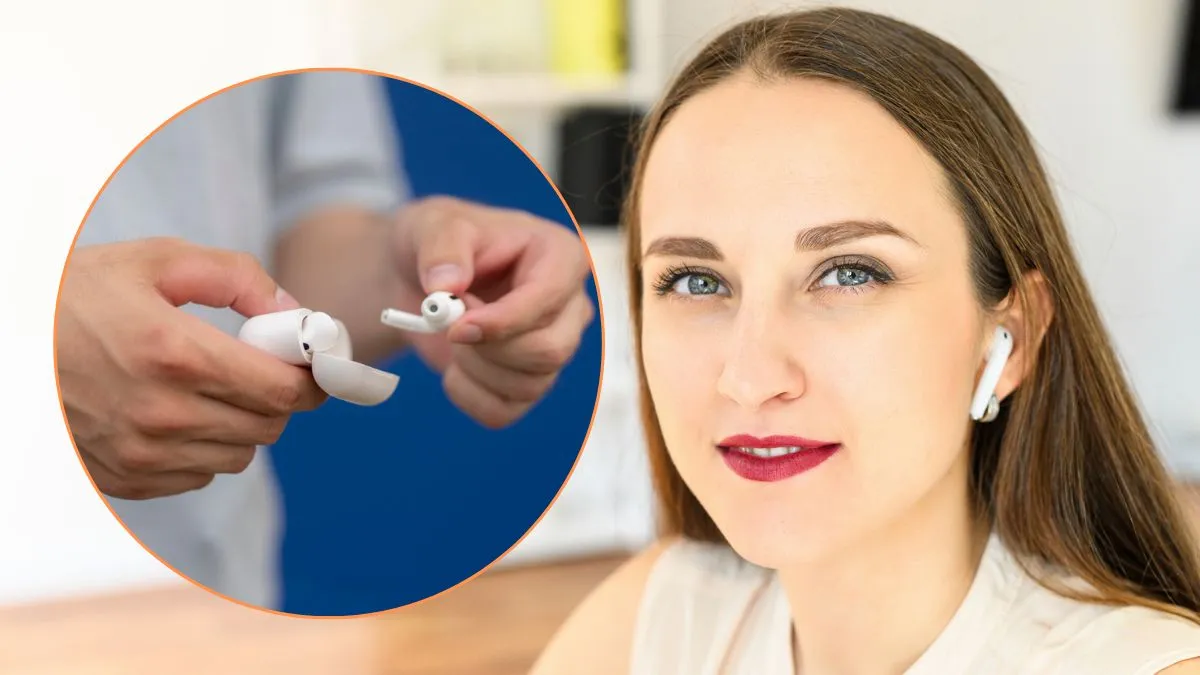
It’s great to see a transformation in how we view technology and its role in our daily lives, especially when it comes to hearing health. Your experience with wired headphones versus the newer, more versatile AirPods Pro 2 really highlights the shift happening in personal audio devices.
The recent FDA approval of Apple’s Hearing Aid and Hearing Test software for the AirPods Pro 2 is indeed a groundbreaking development. This allows these earbuds to serve a dual purpose: not only are they fantastic for music and podcasts, but they can now enhance hearing for those who need it. The convenience of adjusting audio settings directly from an iPhone or iPad makes this feature incredibly user-friendly.
One of the most compelling aspects of this innovation is the challenge it poses to the stigma surrounding traditional hearing aids. The perception that hearing aids are bulky and indicative of a disability can deter many from seeking help. By integrating hearing enhancement technology into a stylish and commonly used product like AirPods, Apple is redefining what a hearing aid can be. This shift could encourage more individuals to address their hearing concerns without the associated stigma.
The timing of this innovation is also crucial. With studies indicating that untreated hearing loss can lead to cognitive decline and increased mental health issues, making hearing aids more accessible could have a significant impact on overall well-being. The potential for AirPods Pro 2 to help users maintain social connections and mental acuity is invaluable.
However, as you noted, there are limitations. While AirPods Pro 2 might not cater to those with severe hearing loss, their affordability and style could appeal to a broader audience. Plus, the battery life issue is something users will need to manage, especially if they rely on them for hearing assistance throughout the day.
Overall, the rollout of these features starting October 28, 2024, marks a significant step forward in technology’s role in personal health. It’s exciting to think about how this could reshape the landscape of hearing aids, making them more appealing and accessible to a wider audience. Your willingness to reconsider your stance on earbuds is a testament to how technology can change perceptions and improve lives!