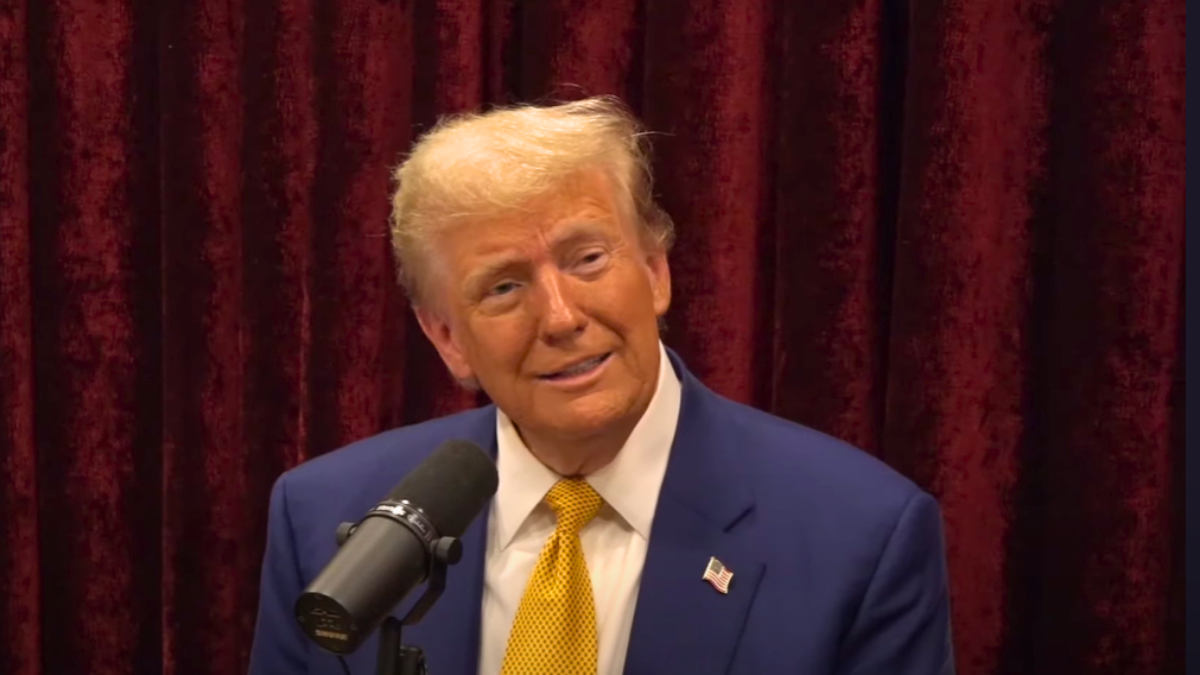
In a recent episode of the Joe Rogan Experience (episode 2219), Joe Rogan discussed the current political climate with former President Donald Trump. Rogan suggested that the media’s portrayal of Trump, including comparisons to Hitler, has contributed to the former president’s unpopularity. However, this view seems to overlook significant concerns expressed by those within Trump’s own camp.
On the same day as the podcast aired, 13 former Trump administration officials signed an open letter supporting statements made by John F. Kelly, Trump’s former chief of staff. Kelly characterized Trump’s ideology as falling under “the definition of fascism” and warned of the dangers a second Trump term would pose. This letter highlights that Trump’s struggles are not merely a product of media narratives but are echoed by those who once held close positions in his administration.
Trump’s Defensive Tactics
During the podcast, Trump employed his usual defensive strategy of shifting blame, stating that his biggest mistake was picking the wrong people for his administration. When Rogan asked if he meant “neocons,” Trump affirmed, labeling them “bad” or “disloyal.” This self-victimization only serves to reinforce Kelly’s warnings about Trump’s temperament and leadership style.
Interestingly, Trump criticized Kelly in the same breath, calling him a “bully,” which many see as ironic given Trump’s own history of aggressive rhetoric. After Kelly’s remarks gained attention, Trump lashed out on Truth Social, labeling Kelly various derogatory terms, further demonstrating the contentious and often combative nature of Trump’s interactions with those who challenge him.
The Broader Implications
Critics of Trump argue that he embodies many authoritarian tendencies, portraying dissent as a threat to his power. Vice President Kamala Harris even commented on Trump’s language about “the enemy from within,” suggesting that anyone who criticizes him is viewed as an adversary.
A commenter in response to Harris noted Trump’s diplomatic action of moving the U.S. Embassy from Tel Aviv to Jerusalem, attempting to downplay the broader concerns about his leadership. However, such arguments often ignore the larger pattern of Trump’s behavior—cult-like leadership, fearmongering, and a binary view of loyalty.
The open letter from the former officials concluded with a stark warning: without those who previously tried to temper Trump’s excesses, a second term could lead to unprecedented dangers for American democracy. They urged voters to heed Kelly’s cautionary words, given their firsthand experience with Trump’s leadership.
Reflection and Awareness
The question arises: why do some individuals remain steadfast in their support for Trump, even in the face of warnings from former insiders? Are they so entrenched in their beliefs that they disregard concerns from those who once served at the highest levels of government? This phenomenon may reflect a cognitive bias, where Trump’s narrative is accepted as absolute truth while dissenting opinions are dismissed.
As the election approaches on November 5, these issues will undoubtedly play a crucial role in the discussions around Trump’s candidacy and the implications for the future of American democracy. With the stakes so high, it’s essential for voters to critically evaluate the information presented, including the warnings from those who have experienced Trump’s leadership firsthand.
 Last updated