What is the Lunchly controversy?
 Last updated
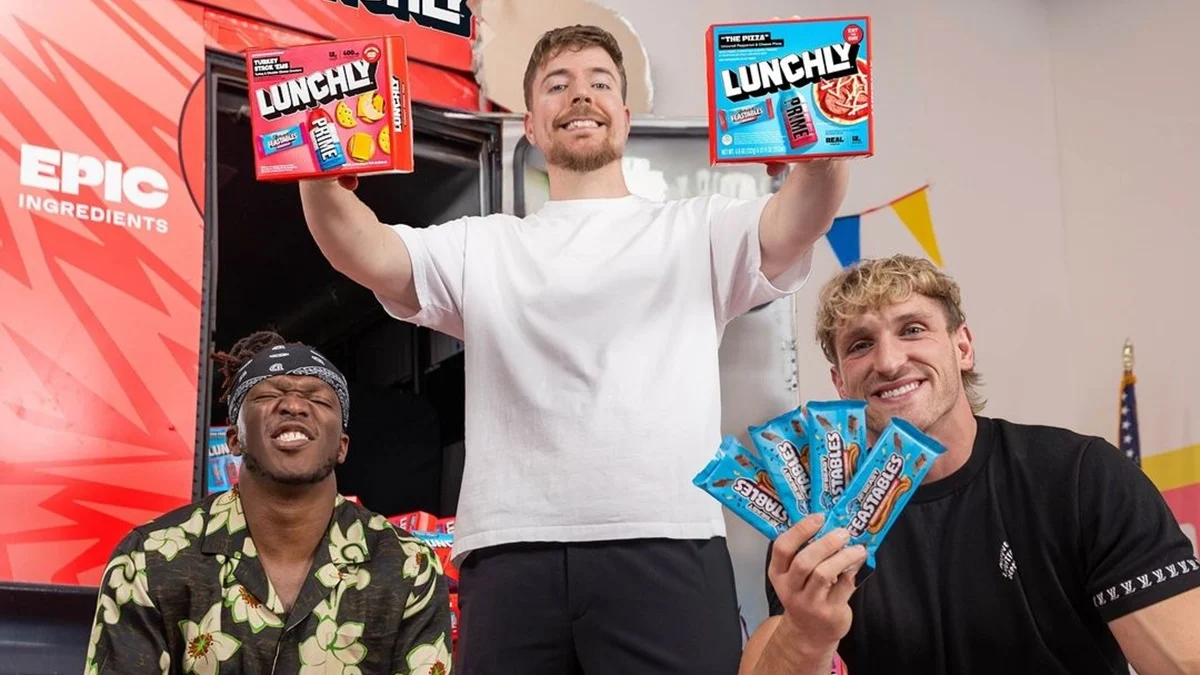
The recent launch of Lunchly by YouTubers Jimmy Donaldson (MrBeast), Logan Paul, and Olajide Olatunji (KSI) has sparked significant debate regarding its nutritional value and marketing tactics. Positioned as a healthier alternative to Kraft Heinz’s Lunchables, Lunchly features a mix of items, including a bottle of Prime, Feastables bars, and a variety of snacks like mini pizzas and tortilla chips. Despite some excitement from fans, many critics have raised concerns about the product’s actual health benefits and the intentions behind its marketing.
On September 17, 2024, DramaAlert reported dissatisfaction among fellow YouTubers about Lunchly, prompting MrBeast to defend the product. He claimed Lunchly contains fewer calories and less sugar than Lunchables while offering more electrolytes. Although he acknowledged that fresh food is healthier, he argued that Lunchly serves as a better option for those who often rely on pre-packaged meals.
British YouTuber DanTDM voiced his disappointment on X, criticizing the trio for prioritizing profit over the well-being of their fans. He stated, “This is selling stuff for the sake of making money, simple. How does this benefit their fans?” KSI responded defensively, suggesting that critics simply avoid purchasing Lunchly if they disagree with it. Paul also chimed in, pointing out that criticisms of Lunchables regarding their alleged safety issues were overlooked while they faced backlash for introducing a supposedly better product.
Adding to the conversation, Doctor Mike, a licensed physician and YouTuber, evaluated Lunchly’s claims of being a healthier choice. He highlighted that while meal kits can be convenient, their nutritional value often falls short. He noted that while Lunchly may be marketed as healthier, it fails to meet the USDA’s caloric intake recommendations for children’s lunches, which should be around 625 calories. Lunchly meal kits, containing only 230 to 360 calories, could lead to children either under-eating or consuming excessive sodium if they were to eat two kits to meet caloric needs.
Doctor Mike expressed that the harsh criticism directed at the YouTubers might be unwarranted but pointed out that if their goal was to provide a genuinely healthy product, they should have adhered to established nutritional standards. The backlash against Lunchly reflects broader concerns about influencer-driven products and their impact on younger audiences, as well as the responsibilities that come with their massive platforms.
In conclusion, while the initiative behind Lunchly may be well-intentioned, the mixed reactions reveal a crucial dialogue about the balance between marketing strategies and genuine health benefits, especially when catering to impressionable children. As the controversy unfolds, it will be interesting to see how the creators respond and whether they make adjustments to align with nutritional standards.