What is the Jeff Bezos-Democracy controversy about?

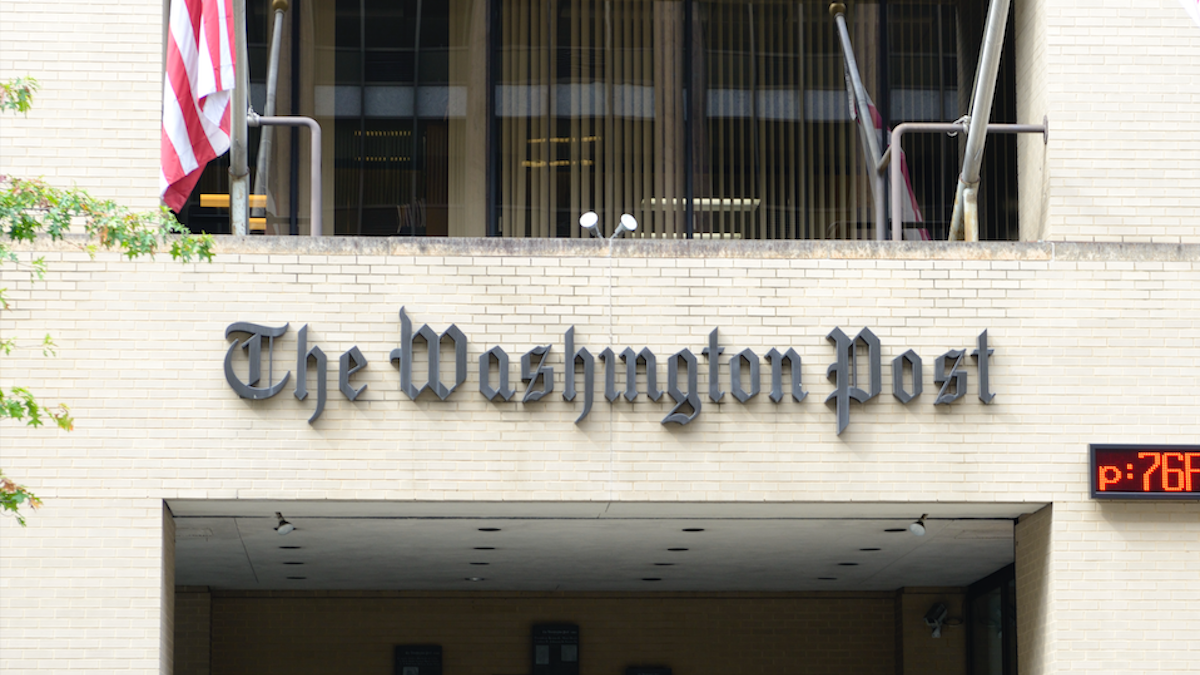
It seems that democracy may not only “die in darkness” but also in the hands of those powerful enough to control it. For the first time in decades, The Washington Post has decided not to endorse a candidate in the presidential race, reportedly due to the influence of its owner, Jeff Bezos. According to sources, Bezos blocked an editorial endorsing Kamala Harris, a decision that has sparked a wave of criticism, along with the hashtag #BoycottAmazon trending online.
Since the digital age took off, newspaper journalism has faced an uphill battle. When Bezos bought The Post in 2013 for around $250 million, some saw hope for a struggling industry, though others raised concerns about his potential interference. Today, those fears seem to have been justified. On October 25, The Post revealed that while an endorsement of Harris had been drafted, it ultimately was stopped by Bezos himself. The Post has endorsed a candidate every election since 1976 (except 1988) and has backed Democrats in every race since then.
Understandably, readers and critics are fired up. On social media, one user bluntly remarked that Bezos seems to prioritize his own financial interests over democracy, even if that means tolerating a “crazy autocrat.” Many are calling for action by urging people to cancel their Amazon subscriptions and support local businesses instead. User @TraceyAnne6288 pointed out the need to stop complacency and boycott Amazon, saying that if people don’t stand up, they’re allowing a billionaire to chip away at democracy for personal gain.
Of course, a hashtag movement like #BoycottAmazon has its skeptics. Some think that the ease and low cost of Amazon’s services may tempt people back after they experience the inconvenience of higher shipping costs elsewhere.
Journalist Seth Abramson has also weighed in, urging his fellow reporters to take this moment as a call to action. He feels that The Post’s refusal to endorse a candidate under pressure is a surrender to authoritarianism and said that he will remember this day in history as one of deep disappointment.
While Bezos’ net worth is still linked to Amazon, recent filings show he now holds around 8.84% of the company’s stock, down from nearly 50% years ago as he’s sold shares to fund ventures like Blue Origin, his space exploration company.
This situation has also resurrected memories of tensions between Bezos and former President Trump, who criticized The Post and alleged Bezos was using it for power. Ironically, in 2019, the government denied Amazon a $10 billion Pentagon contract that Trump had reportedly blocked.
The truth is, money and power have a substantial influence on decision-making at this level, and Bezos may be betting that public backlash is less risky than potential fallout from Trump. For most people, Amazon’s affordability and convenience may make any boycott short-lived, but this episode has left a deep mark on both The Washington Post’s reputation and Bezos’ standing as a media owner.