What is ‘sundowning’? The Donald Trump claims, explained
 Last updated
Former President Donald Trump’s recent public appearances have sparked concern regarding his mental acuity, leading to discussions about whether he might be experiencing a phenomenon known as sundowning. This condition typically affects individuals with dementia, causing disorientation and confusion that worsen during the late afternoon and evening. Symptoms can include agitation, anxiety, and even hallucinations.
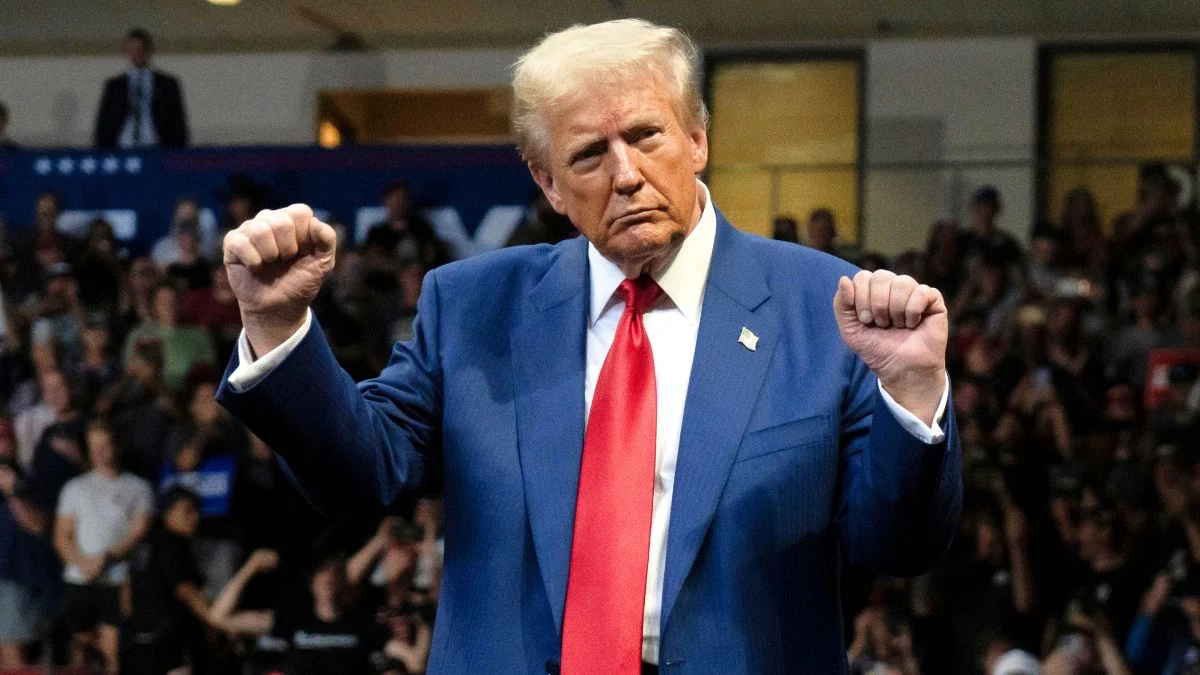
Critics point to Trump’s behavior during a recent town hall in Oaks, Pennsylvania, as evidence of potential sundowning. After experiencing two medical emergencies in the audience, Trump reportedly abandoned the question-and-answer format, choosing instead to stand on stage and listen to music for over 30 minutes. This decision left attendees bewildered, as he failed to communicate the end of the event or engage meaningfully with his supporters.
Boston Globe reporter Kimberly Atkins Stohr described Trump’s actions as “live sundowning,” noting that he appeared increasingly disconnected from the situation. Many observers echoed this sentiment, raising concerns about his mental state. Political consultant Eric Schmeltzer, who compared Trump’s behavior to that of his grandmothers during their battles with dementia, highlighted the alarming changes in Trump’s speech patterns as further signs of cognitive decline.
Licensed psychologist Michael J. Salamon also weighed in, noting Trump’s frequent topic shifts and struggles with word retrieval, which can indicate deeper cognitive issues. His choice of juvenile insults and erratic speech patterns have led some to conclude that there may be significant impairments affecting his ability to communicate effectively.
If Trump’s behavior does indeed suggest sundowning or related cognitive issues, it raises questions about his fitness to run for the presidency again. As the election approaches, concerns about his health and mental sharpness could significantly impact public perception and his campaign.