
What are ‘gate lice’ and what is American Airlines doing to tackle this boarding issue?
 Last updated
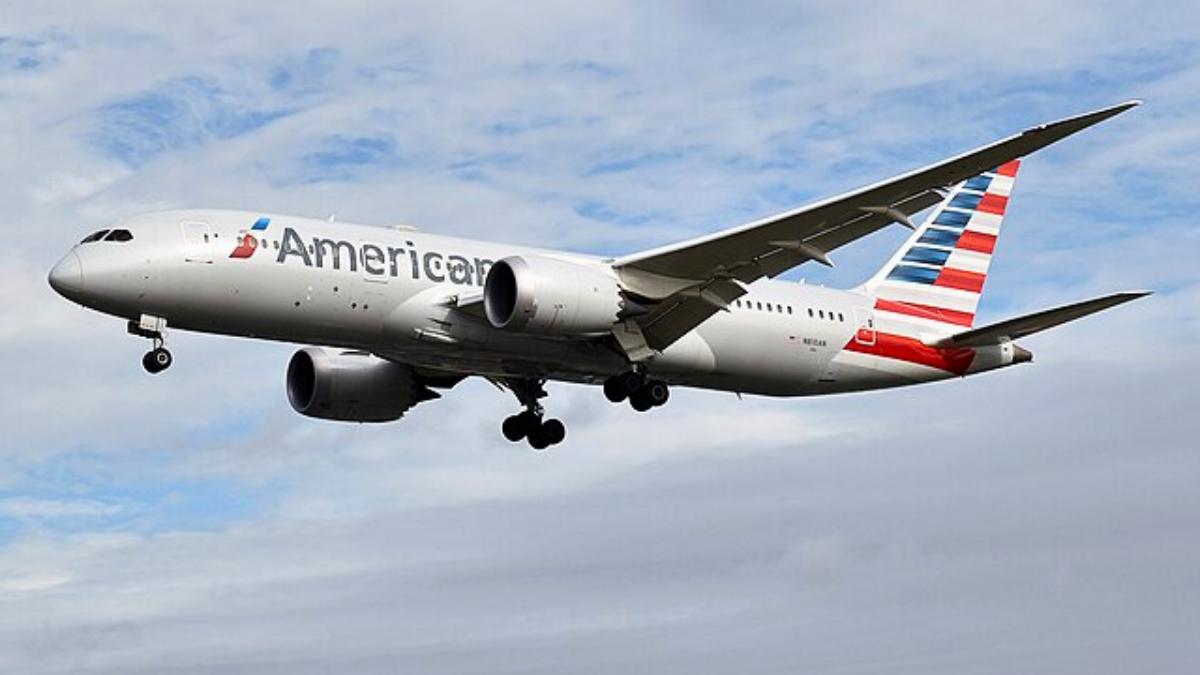
American Airlines is stepping up to tackle one of air travel’s most annoying issues: passengers who jump the boarding queue, affectionately dubbed “gate lice.” To address this, the airline has started testing a new system that alerts gate agents when travelers try to board before their designated time. This innovative approach utilizes an “audible signal” to identify line-cutters and is currently being trialed at Albuquerque International Sunport and Tucson International Airport, with plans to expand to Ronald Reagan Washington National Airport.
An American Airlines spokesperson stated, “We are in the early phase of testing new technology used during the boarding process. The new technology is designed to ensure customers receive the benefits of priority boarding with ease and helps improve the boarding experience by providing greater visibility into boarding progress for our team.” This initiative could be a game-changer in restoring order to the boarding process, especially given the airline’s recent struggles with customer service issues.
American Airlines has faced a series of unfortunate incidents, including mishandled luggage and significant flight disruptions. A notable case involved a professional photographer whose equipment was destroyed during a flight, leading to public outrage when the airline initially refused to cover the damages. Additionally, there was an incident where passengers on a flight from Puerto Rico to Miami were stranded in the Bahamas for over nine hours, lacking basic amenities and surviving on soda and Biscoff cookies.
In response to similar boarding etiquette concerns, other major airlines have also taken action. United Airlines is having gate agents monitor the boarding process more closely, while Delta Air Lines introduced a numbered zone system earlier this year to streamline boarding. These moves reflect a broader industry trend toward improving passenger experience and operational efficiency.
The focus on boarding procedures comes at a time of heightened tensions at airport gates, as seen in a recent viral incident where staff and passengers clashed during an IT outage. This highlights the challenges both travelers and airline employees face during disruptions.
In a slightly unusual development, Dunedin Airport in New Zealand has implemented a “max hug time” rule, limiting farewells to three minutes in their drop-off zone to improve traffic flow. For those needing more time, they offer 15 minutes of free parking in a designated area.
Despite the operational challenges, early results from the new anti-line-cutting technology have been promising, indicating a potential shift in how airlines manage the boarding process. If successful, this initiative could set a new standard in the industry, enhancing the overall travel experience for passengers.