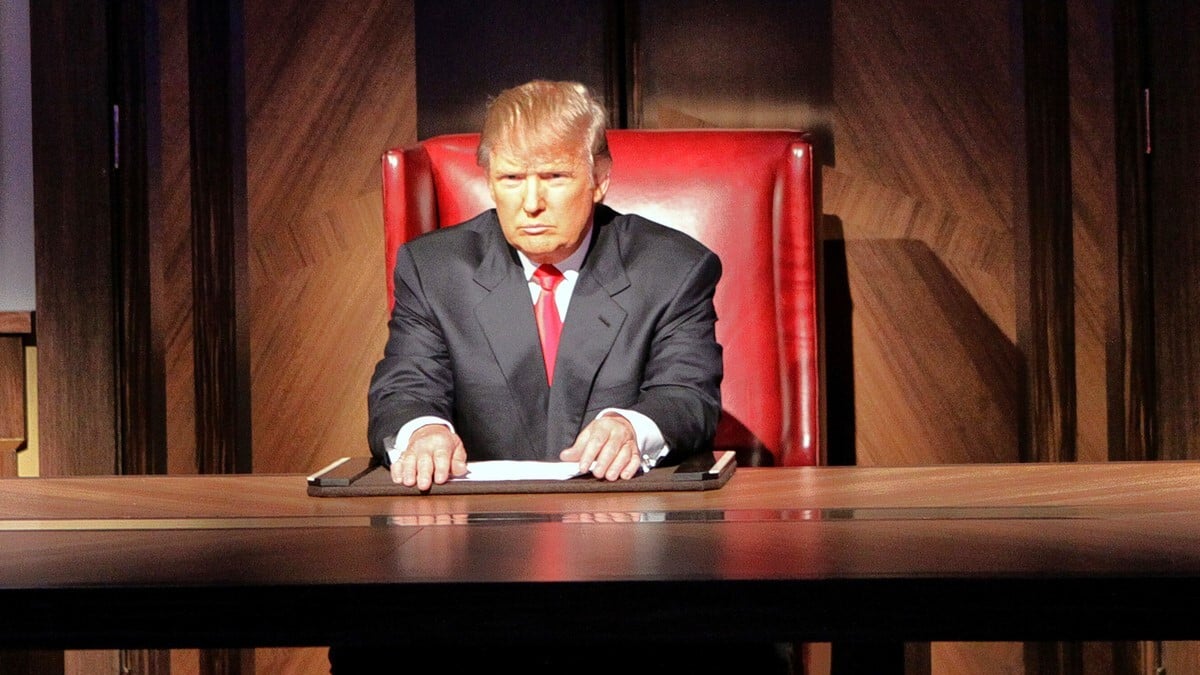
It’s quite striking to reflect on how Donald Trump transitioned from a somewhat innocuous reality TV star to a central figure in U.S. politics, shaping both his image and public perception along the way. His rise serves as an illustrative example of the butterfly effect—where a small action can lead to significant, sometimes unforeseen consequences.
The Butterfly Effect of Reality TV
When Trump first burst onto the scene as the host of The Apprentice, few could have predicted the profound political implications that would follow. The show was crafted not just as entertainment but as a vehicle to sell a narrative: that Trump was a wealthy, successful businessman. In reality, however, this image was largely a façade, as noted by John D. Miller, NBC’s former chief marketer. Trump had filed for bankruptcy several times prior to the show’s debut, which called into question the authenticity of the “successful mogul” persona that was being sold to viewers.
The Marketing of a Persona
Miller’s insights reveal the calculated marketing strategies employed to shape Trump’s image. He and his team worked diligently to present Trump as a successful leader, despite the reality being starkly different. The allure of Trump’s larger-than-life persona captivated audiences, allowing him to manipulate public perception to his advantage. Miller describes Trump as having an “unfillable compliment hole,” indicating his insatiable need for validation, which likely fueled his desire for power.
This marketing campaign worked wonders; viewers bought into the narrative of Trump as a savvy businessman, blind to the fact that a truly successful executive wouldn’t surround themselves with inexperienced game show winners. This illusion not only elevated Trump’s status but also set the stage for his eventual foray into politics.
The Compulsive Nature of Trump’s Lies
Miller’s observations about Trump’s compulsive lying foreshadowed the behavior we see today. Trump’s tendency to repeat his version of the truth, regardless of evidence to the contrary, has been evident throughout his political career. This tactic, honed during his time on The Apprentice, has proven effective in creating a loyal following that often dismisses factual discrepancies in favor of his narrative.
Miller reflected on how Trump would insist, “The Apprentice – America’s No. 1 TV show,” even when that wasn’t the case. This pattern of behavior, where Trump repeats false claims until they are accepted as truth, has transitioned from trivial lies about TV ratings to far more consequential ones regarding election integrity.
The Regret of the Creator
In light of Trump’s political trajectory, Miller expressed remorse for his role in crafting the narrative that has come to define Trump. He acknowledges that while their marketing efforts were successful in elevating The Apprentice, they also created a “false image of Trump as a successful leader.” This false narrative continues to have a lasting impact on public perception and discourse.
As Trump campaigns for office, the consequences of that initial marketing endeavor are evident. He remains a polarizing figure, yet a significant portion of the populace continues to believe in the carefully constructed image that has been perpetuated since his days on reality television.
Trump’s journey from a reality TV star to a political powerhouse highlights the complexities of media influence and public perception. The butterfly effect is undeniably at play here, as the marketing strategies of the past have contributed to the political mess of today. Miller’s insights serve as a cautionary tale about the power of media narratives and the responsibility that comes with shaping public figures. In an era where misinformation can spread rapidly, the case of Donald Trump underscores the importance of discerning fact from fiction in the realm of politics and beyond.
 Last updated