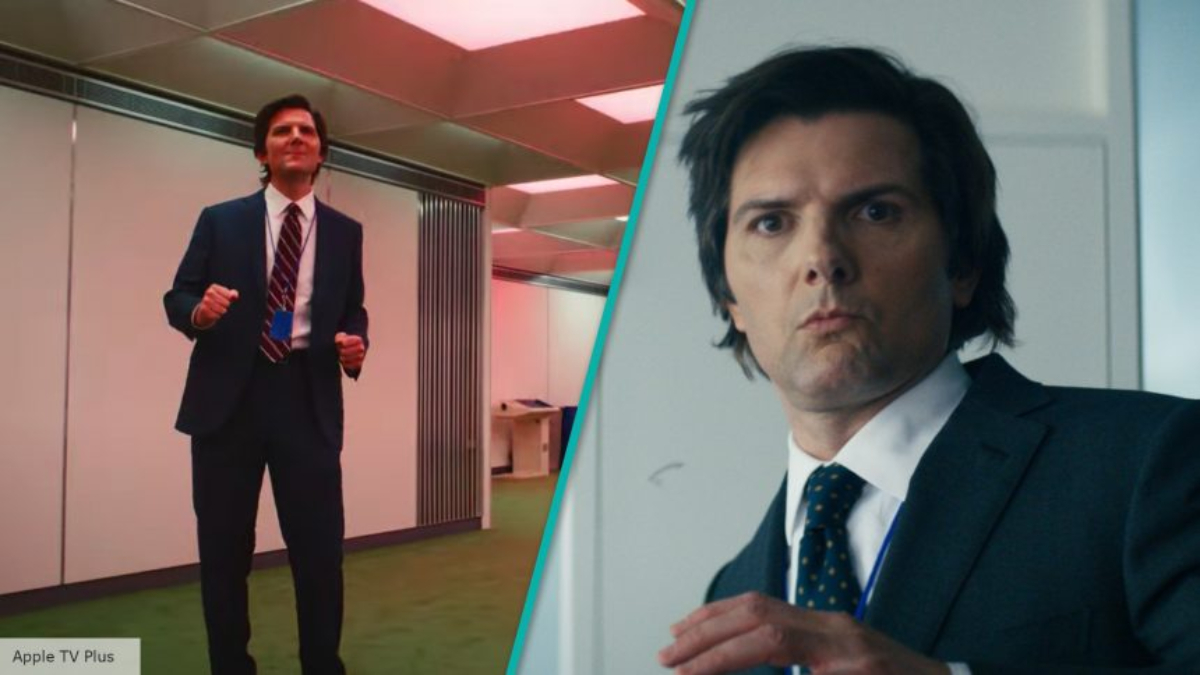
We absolutely loved Season 1 of Severance, the sci-fi thriller from Apple TV Plus. The show takes a dystopian twist on the workplace drama with a fascinating premise: some office workers undergo an experimental medical procedure called severance, which separates their work memories from their personal lives. It’s meant to create the ultimate work-life balance, but, of course, being a TV show, our main characters soon uncover a much darker conspiracy lurking behind this seemingly beneficial procedure. But where did this bizarre idea originate?
Severance was created by Dan Erickson, who cited various influences for the series. In an interview with Inverse, he mentioned several films and concepts that inspired him, including The Truman Show, Office Space, Brazil, The Stanley Parable, and even the comic strip Dilbert. However, he particularly highlighted one eerie online urban legend: “Then there’s stuff like The Backrooms, which is a weird online urban legend,” he explained.
What Are The Backrooms?
The Backrooms are a creepy urban legend that originated on the internet. The basic idea is that there exists a dimension adjacent to our reality, consisting solely of endless office spaces and corridors. The story suggests that while these Backrooms are typically inaccessible, you could find yourself slipping through reality and becoming trapped in this infinite maze of empty offices and hallways. It’s pretty spine-chilling, right?
The Origin of The Backrooms
The Backrooms were first introduced on 4Chan, specifically on the /x/ board, which is dedicated to paranormal topics. The legend began when an anonymous user shared an unsettling image alongside a brief description of this strange dimension, asking others to post “disquieting images that just feel ‘off’.” Since then, many users have contributed to the mythos, adding monsters, different levels of the Backrooms, and even potential ways to escape back to our reality.
Why Are The Backrooms Scary?
The fear surrounding the Backrooms largely stems from a concept known as liminality. While we’re not experts, the idea is that spaces which are in transition—like empty hallways and vacant offices—can create a sense of disorientation. This is because they symbolize change, and many people are uncomfortable with change. The Backrooms embody an endless liminal space where you can never find your way out, which leads to a constant feeling of unease as you search for familiarity in a labyrinth of indistinguishable corridors.
Interestingly, this idea isn’t entirely new. It’s often believed to be one of the reasons why The Shining is so terrifying; Stanley Kubrick crafted the Overlook Hotel into a sprawling, liminal nightmare, filled with endless hallways and corners that evoke a sense of dread.
There are also modern films that explore this concept. For instance, in Vivarium, the characters find themselves in a bizarre, repeating neighborhood, while I’m Thinking of Ending Things features hauntingly empty high school corridors. Both of these settings become much more unsettling when they’re devoid of people, highlighting just how eerie these liminal spaces can be.
Television has also explored this theme. A prime example is the Black Lodge from David Lynch’s Twin Peaks, which features endless, red-curtained rooms and hallways, creating a perfect environment for making viewers feel deeply uneasy simply by traversing transitory places.
In summary, the blend of Severance with urban legends like The Backrooms reveals a rich tapestry of inspiration that taps into our primal fears of the unknown and the disquieting nature of transitional spaces.
 Last updated