
One presidential candidate is already primed to have record-breaking support from a potentially election-defining demographic
 Last updated
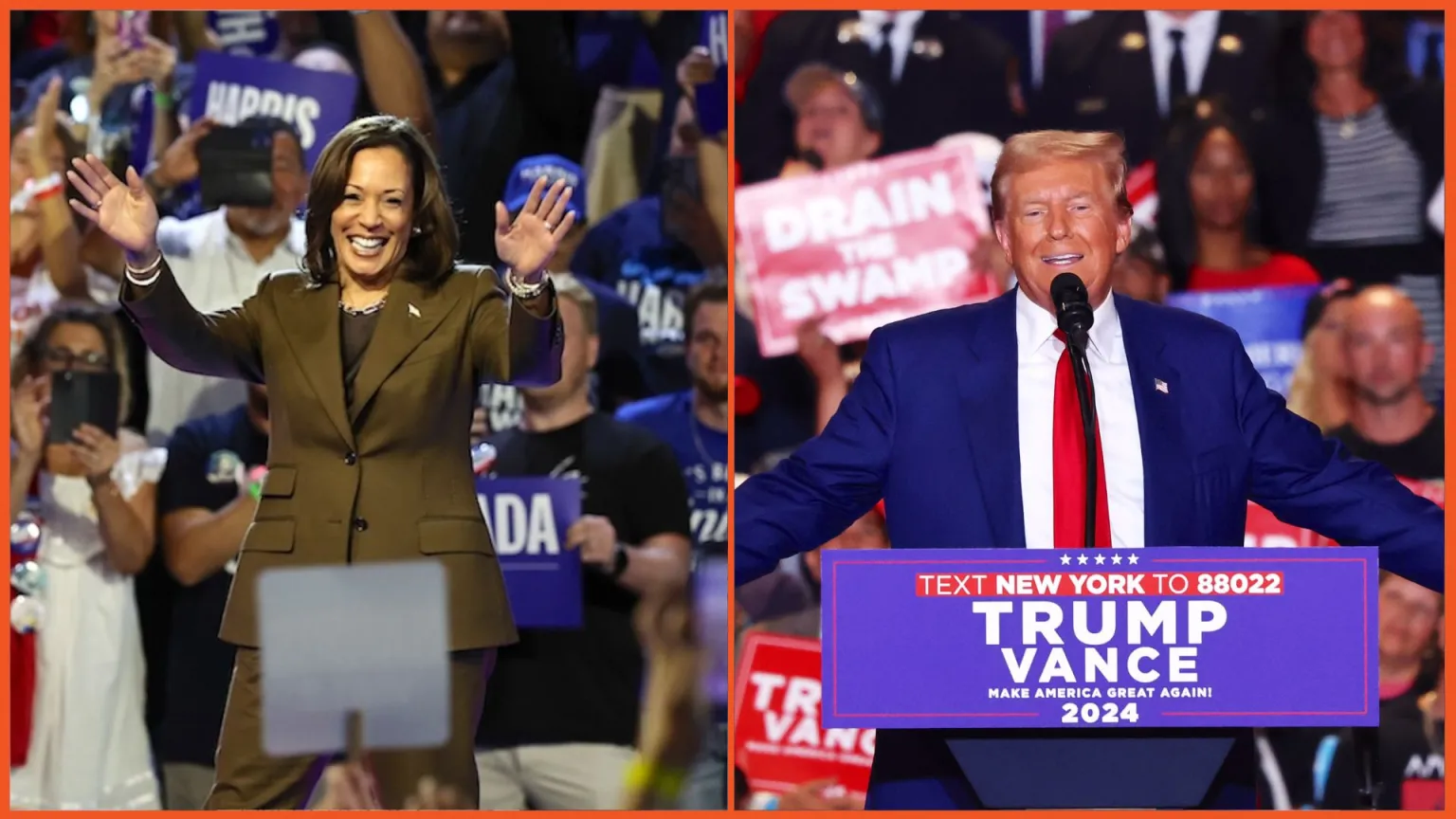
As the 2024 presidential election approaches, tensions are rising, and the landscape appears to be shifting in unexpected ways, particularly for Vice President Kamala Harris. Recent polling indicates that she is making significant strides among traditionally conservative voters, which could alter the dynamics of the election.
A CNN poll reveals that Harris leads her opponent by 18 points among college-educated white voters, a remarkable achievement for a Democratic candidate. This margin far exceeds Joe Biden’s nine-point advantage in 2020 and more than triples Hillary Clinton’s five-point lead in 2016. Such numbers suggest that Harris may outperform expectations among Republicans, with some observers predicting historic support from this demographic.
The growing disenchantment with Donald Trump’s polarizing style may also be influencing voter sentiment. Many voters seem eager for a shift away from the vitriol of recent political discourse, seeking more constructive policies and messages of bipartisanship. Harris’s ability to connect with voters with college degrees is notable, as she holds a 21-point lead over her opponent in this category—a crucial group that has seen its representation among voters double since 1980.
If Harris secures victory, it would mark the largest win for a Democratic candidate among white college graduates in recorded history. An ABC News/Ipsos poll from August indicates that about a quarter of Republicans view her campaign favorably, further supporting the notion that she is resonating with a broader audience.
High-profile endorsements bolster Harris’s appeal to Republican voters. Former GOP Representative Liz Cheney recently campaigned alongside her in Ripon, Wisconsin—the birthplace of the Republican Party. This strategic choice underscores Harris’s intention to attract voters from across the aisle. At a rally, Cheney emphasized patriotism over partisanship, echoing a sentiment that resonates with many weary of divisive politics.
In Wisconsin, approximately two dozen Republican figures endorsed Harris, framing the election as a choice between “Wisconsin values” of freedom and decency versus Trump’s divisive rhetoric. Furthermore, a letter signed by around 100 former Republican Congress members and officials from previous administrations expressed support for Harris, criticizing Trump for his lack of character and ethical behavior.
The trend of cross-party support for Harris appears to be gaining momentum, as a survey by The New York Times/Siena College indicates that the number of self-identified Republicans planning to vote for her has doubled recently, rising from 5% to 9%.
While it is too early to predict the outcome of the election, these developments suggest a potential shift away from Trump’s divisive politics and a growing appetite for a more unifying message. Harris’s campaign is clearly resonating with a segment of the Republican electorate, indicating that she could be a formidable candidate in the upcoming election.