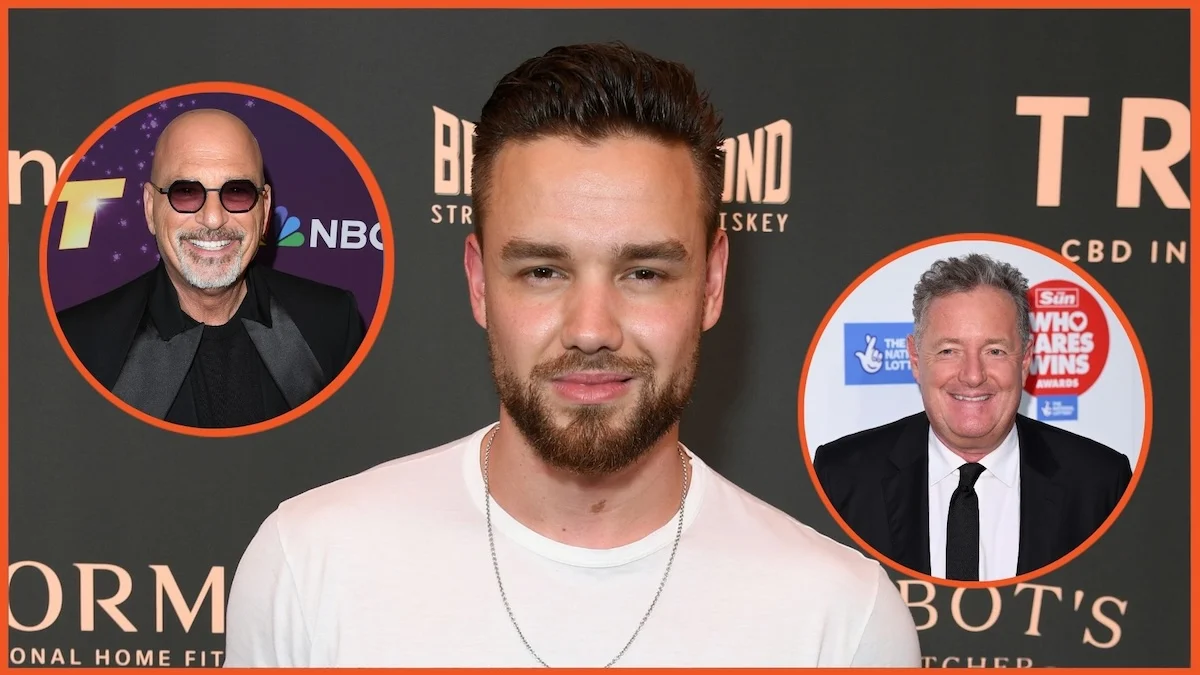
The tragic death of Liam Payne has ignited a firestorm of discussion and criticism, particularly directed at public figures like Piers Morgan and Howie Mandel, who have faced backlash for their insensitive remarks during a recent YouTube segment. Their comments, made while discussing the responsibilities of talent shows, struck many as callous and dismissive, especially in light of Payne’s untimely demise.
In the segment, a conversation initiated by former X Factor contestant Katie Waissel about the lack of support from talent shows spiraled into a blame game. Mandel’s aggressive questioning, “Did she need help then?!” and Esther Krakue’s problematic assertion that “the dark side of fame… becomes everyone else’s fault” were met with outrage on social media. Fans of Payne quickly rallied, condemning the narrative that shifted responsibility away from the industry and onto the artists themselves.
Comments flooded in on social media, with many emphasizing the need for accountability: “Do better… you should know better than to blame the victim,” one commenter pointed out, while another remarked on the preventable nature of Liam’s death. Many fans called for better mental health support for artists, stressing that those in the entertainment industry face unique pressures that can lead to substance abuse and mental health crises.
The circumstances of Payne’s death on October 16, following a fall from a hotel balcony in Buenos Aires, were deeply tragic. Toxicology reports revealed a cocktail of substances in his system, underscoring the severe challenges he faced. Prior to his death, reports indicated that he had been acting erratically, a cry for help that was ignored by onlookers who opted to capture his distress on camera instead of intervening.
This scenario is all too common in the realm of celebrity, where public figures’ struggles often become fodder for sensationalism rather than compassionate discourse. The media scrutiny and public dissection of Payne’s life and choices posthumously only serve to amplify the tragedy of his situation. As fans and supporters mourn, they also advocate for systemic change, calling for mandated mental health checks and greater support for artists who navigate the turbulent waters of fame.
Death tends to provoke a multitude of opinions, and unfortunately, for those in the public eye, it often leads to a sensationalized narrative that overlooks the complexities of their struggles. The irony of discussing these issues within a media space highlights the ongoing conflict between the need for genuine understanding and the lure of gossip-driven content. Moving forward, it’s crucial to approach such discussions with empathy, recognizing that every individual has their own battles, often unseen by the public eye.
 Last updated