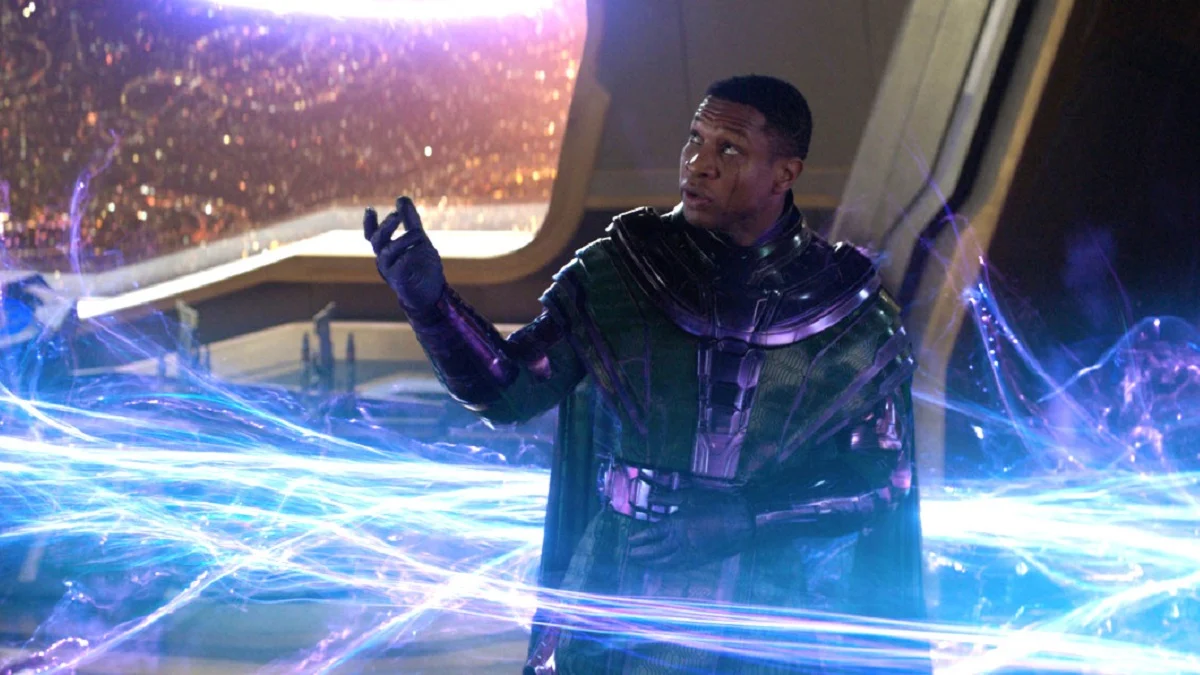
Your take on the current state of Marvel, especially regarding Kang and Jonathan Majors, highlights some significant concerns about how the franchise has been navigating its storytelling and character development.
The Disconnect Between Brand and Narrative
Marvel’s approach seems increasingly focused on market-driven decisions rather than compelling storytelling. The way they’ve treated Kang, especially after Majors’ controversies, underscores a larger issue: the prioritization of brand recognition over narrative integrity. Here’s a breakdown of the points you raised:
- Kang’s Hype and the Majors Situation: Initially, Kang had incredible potential as a character, particularly with Majors portraying him. However, when Majors became embroiled in legal troubles, Marvel’s response seemed reactive rather than proactive. Instead of pivoting to reinforce Kang’s significance in the Multiverse Saga, they opted for silence and ambiguity. This lack of clarity created a vacuum that further diminished excitement around the character.
- Nostalgia vs. Narrative Depth: The overwhelming excitement for films like Spider-Man: No Way Home was largely driven by nostalgia rather than any deep narrative connection. Marvel has increasingly leaned on familiar faces and nostalgic elements, which often distract from the story’s actual depth. This trend reached a peak with Doctor Strange in the Multiverse of Madness, where cameo appearances overshadowed the main plot, showcasing a reliance on brand identity instead of character arcs.
- No Thanos-Level Threat: With the departure of Kang as a central villain, Marvel faces the challenge of building up a new narrative threat. The absence of a character that could resonate with audiences in the same way Thanos did raises concerns about the franchise’s future. The shift towards commodification—treating films more as products than stories—further complicates this, as it can lead to disjointed narratives lacking the emotional weight that once characterized the MCU.
- Recasting and Brand Loyalty: The decision not to recast Kang, despite Majors’ issues, indicates a deeper commitment to maintaining brand continuity at the expense of narrative flexibility. This reluctance may stem from an attachment to Majors’ portrayal, but it also risks leaving a significant gap in the overarching story.
- Potential Future Direction: Your speculation about bringing back Robert Downey Jr. as Doctor Doom reflects a growing sentiment that Marvel might be looking to revive past successes rather than innovate. This kind of strategy could alienate fans who are craving fresh narratives and character development rather than recycled plots and characters.
Ultimately, your critique encapsulates a broader concern that many fans share: Marvel’s current trajectory risks reducing its films to mere brand vehicles rather than fully realized stories. If they don’t recalibrate their focus toward substantive storytelling, they may find themselves further estranged from the very audience that propelled them to success. As the landscape of superhero films evolves, it will be interesting to see if Marvel can adapt and return to a model that prioritizes narrative depth and character development over sheer brand recognition.
 Last updated