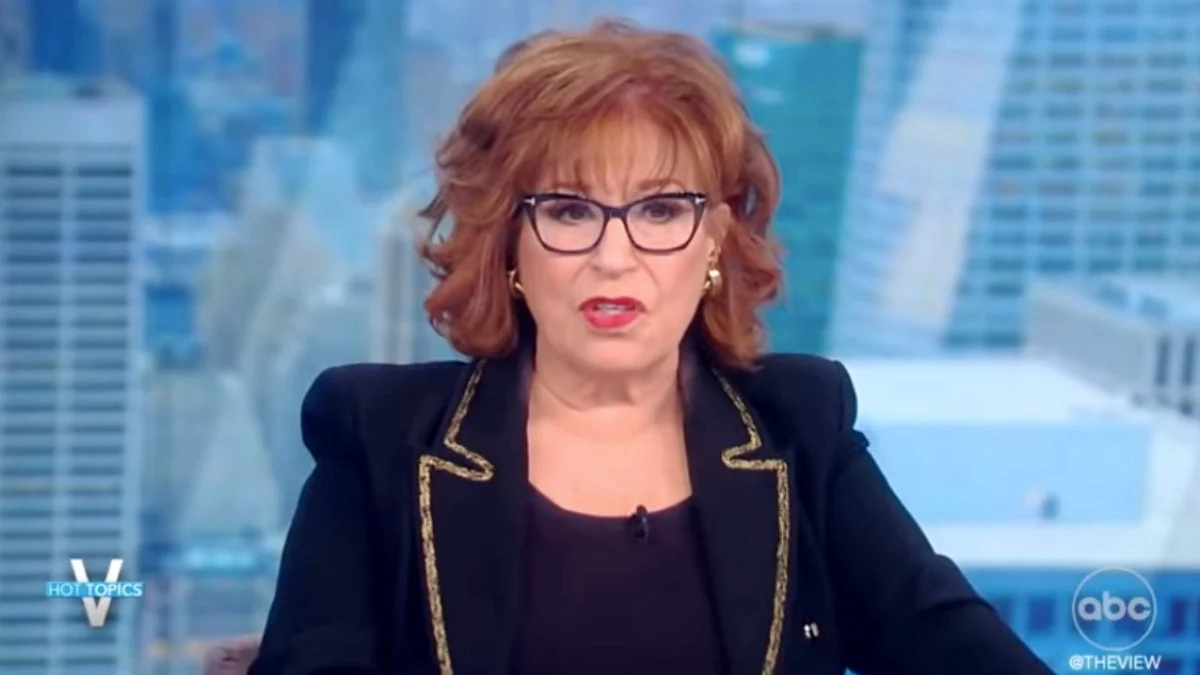
The recent allegations against former President Donald Trump, as reported by The Atlantic, have sparked significant outrage and concern. According to the report, Trump allegedly expressed a desire for generals who would be loyal to him, drawing a shocking comparison to Adolf Hitler. This revelation prompted co-host Joy Behar to firmly state, “Scr*w you,” in a passionate response on The View.
Trump’s Controversial Comments
The controversy stems from Trump’s supposed admiration for German generals, implying that he prefers military leaders who would follow his orders unconditionally. Former chief of staff John Kelly reportedly tried to clarify what Trump meant, asking if he was referring to generals from the time of Otto von Bismarck, only to realize Trump had Hitler in mind. Kelly has also claimed that Trump once said he believed Hitler did some good things, a statement that has caused widespread disgust and disbelief, particularly among those aware of the historical implications.
Reactions and Media Coverage
Joy Behar highlighted the painful legacy of the Holocaust, connecting her family’s history to the broader implications of Trump’s comments. The discussion touched on the troubling nature of Trump’s rhetoric and its normalization in the media. Behar criticized the tendency to downplay or treat Trump’s remarks as ordinary, arguing that the time for restraint in covering his behavior has long passed.
Trump’s Response
As expected, Trump and his campaign responded in their typical fashion. Trump labeled The Atlantic as a “failing magazine,” denied making the remarks about Hitler, and dismissed John Kelly’s credibility. His campaign team also issued harsh critiques of Kelly, indicating a strategy of deflection and attack rather than engagement with the substance of the allegations.
The Broader Implications
The alarming nature of these comments raises important questions about leadership and the kind of rhetoric that is acceptable in political discourse. Behar pointed out that Trump’s use of demonizing language, particularly regarding immigrants, mirrors the dangerous ideologies of historical figures he seems to admire.
Moreover, the dynamics of Trump’s campaign appear more organized this time around, with a team that actively shapes his public persona and counters criticism aggressively. This raises concerns about the implications of having a leader who appears to foster unquestioning loyalty among his supporters and staff.
As the political landscape evolves, the echoes of Trump’s past statements and actions continue to resonate. Joy Behar’s poignant remarks encapsulate the fears many have regarding his potential return to power, highlighting the need for vigilance in the face of divisive and harmful rhetoric. The question remains: what impact will Trump’s words and actions have on the political climate, and how will the public respond to the alarming nature of these revelations? The sentiment expressed by Behar—“Scr*w you”—may reflect a growing frustration and refusal to accept such dangerous ideologies in leadership.
 Last updated