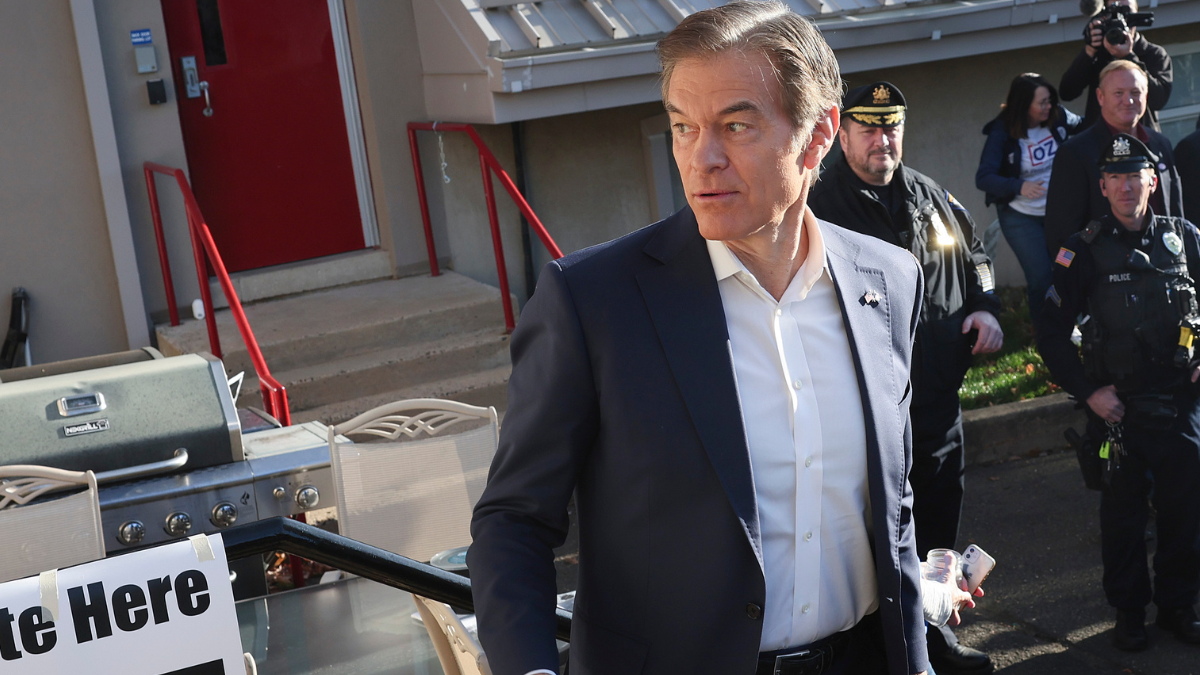
In today’s pop culture landscape, distinguishing between truth and fiction has become increasingly difficult, especially when public figures who rise to prominence through television fame transition into politics. A prime example of this phenomenon is Dr. Mehmet Oz, the famous talk show host, who in recent years has made clear his political ambitions.
Dr. Oz, best known for The Dr. Oz Show, entered the political arena in 2022 when he left his television career to run for a Senate seat in Pennsylvania. His candidacy, which received an endorsement from then-President Donald Trump, ultimately ended in defeat as Democratic candidate John Fetterman won the seat, flipping it to the Democratic Party after the retirement of Republican Senator Pat Toomey.
However, Oz’s political journey didn’t stop there. In 2024, he was nominated by Trump for a cabinet position, specifically overseeing Medicaid and Medicare services. This appointment has raised concerns due to Oz’s lack of government experience. While Oz has a background in healthcare—he’s a medical doctor—his views, especially regarding COVID-19, have been controversial. Oz has made statements criticizing government-mandated policies during the pandemic, which he argued caused unnecessary suffering and misled the public. His support for hydroxychloroquine as a treatment for COVID-19, despite a lack of scientific evidence supporting its efficacy, added to his controversial public image.
Oz’s nomination is part of a broader pattern in Trump’s appointments, which often feature individuals with little to no experience in government roles but who share Trump’s political views. This raises questions about the effectiveness and potential risks of Oz’s appointment, particularly in handling public health matters during future crises.
Despite these concerns, Dr. Oz’s credentials as a medical professional are legitimate. He earned his medical degree from the University of Pennsylvania School of Medicine and an MBA from Wharton Business School. Oz also held the position of Vice-Chair and Professor of Surgery at Columbia University, and his media career, including the Dr. Oz Show, which ran for 13 seasons, made him a household name.
In the end, Dr. Oz’s transition from television personality to political figure reflects the increasing overlap between entertainment and politics, raising important questions about qualifications and the potential consequences of celebrity-driven governance.
 Last updated