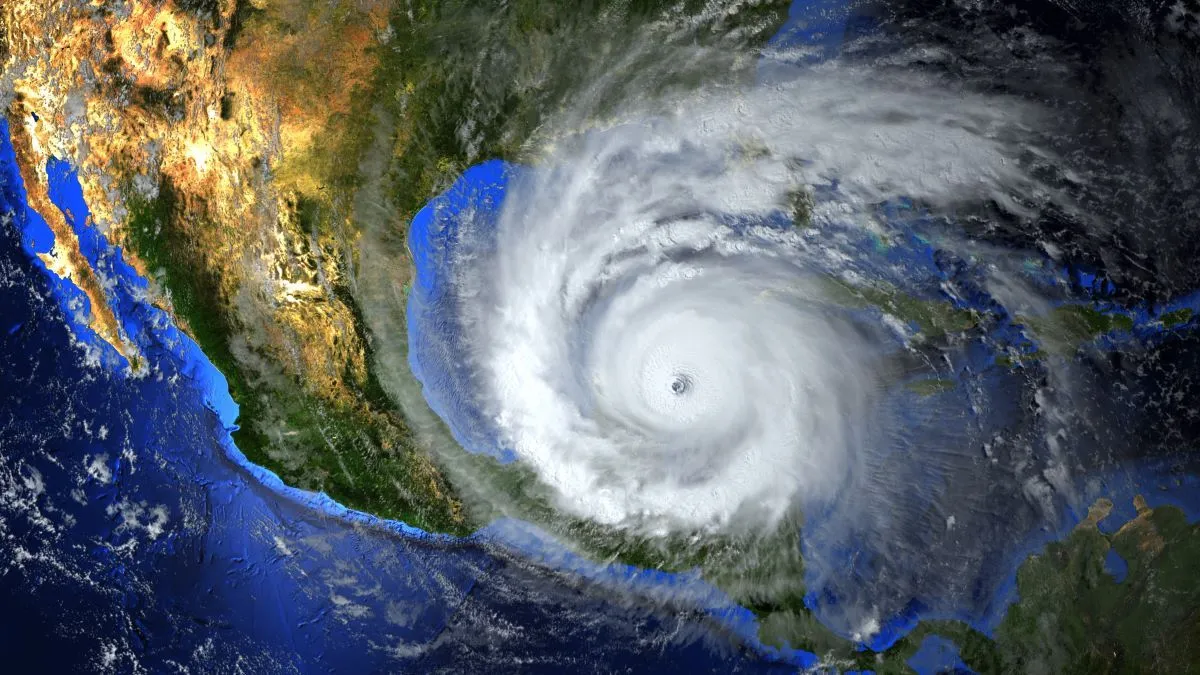
Florida is bracing itself for the impending impact of Hurricane Milton, a Category 5 storm poised to deliver catastrophic destruction. As the state continues to recover from Hurricane Helene, which already wreaked havoc with its 140 mph winds, residents face another overwhelming threat. Here’s a breakdown of the situation and a historical perspective on Florida’s most devastating storms.
The Threat of Hurricane Milton
Current Situation:
Hurricane Milton is expected to make landfall around 11 PM tonight, bringing with it dire warnings from authorities. The evacuation orders are severe, with officials stating, “if you remain in your homes, you will die.” The Tampa Bay area is predicted to experience an astonishing 15 feet of storm surge and wind speeds reaching 175 mph. This level of destruction is unprecedented, with debris flying through the air and in the water, creating hazardous conditions.
Historical Context:
The National Hurricane Center has labeled Milton as potentially one of the most destructive hurricanes on record for west-central Florida. The comparison to previous hurricanes highlights the severity of Milton’s approach.
A Look at Florida’s Most Devastating Hurricanes
- Hurricane Helene (2023):
Although she’s likely to be demoted from the HURDAT official chart, Helene’s impact was significant with 140 mph winds, making her one of the more recent threats to the region.
- Hurricane Andrew (1992):
With winds of 165 mph, Andrew caused catastrophic damage and remains one of the benchmark storms in Florida’s history. It ranks as the second most powerful hurricane to hit the state.
- Hurricane Michael (2018):
Michael brought 155 mph winds and devastating storm surges, leaving destruction in its wake, particularly in the Panhandle.
- Labor Day Hurricane (1935):
The most destructive hurricane on record, this storm reached 185 mph winds and caused an 18-20 ft storm surge, decimating the Florida Keys and leading to a suspected death toll far exceeding the official count of 423.
The Hypercane Hypothesis
To put Milton’s impending impact into perspective, some scientists theorize about a “hypercane” that could have formed following the catastrophic asteroid impact 65 million years ago in the Yucatán Peninsula. This hypothetical storm could have reached winds of 500 mph, drastically surpassing any hurricane in recorded history. While Milton won’t reach that level, it serves as a reminder of the incredible forces of nature.
As Hurricane Milton approaches, Florida residents are reminded of the power of nature and the importance of preparation and evacuation. With the potential for historic destruction looming, the hope is for a successful evacuation, minimal casualties, and swift recovery efforts in the aftermath. The coming hours will be critical, and everyone in Milton’s path should remain vigilant and take all necessary precautions.
 Last updated