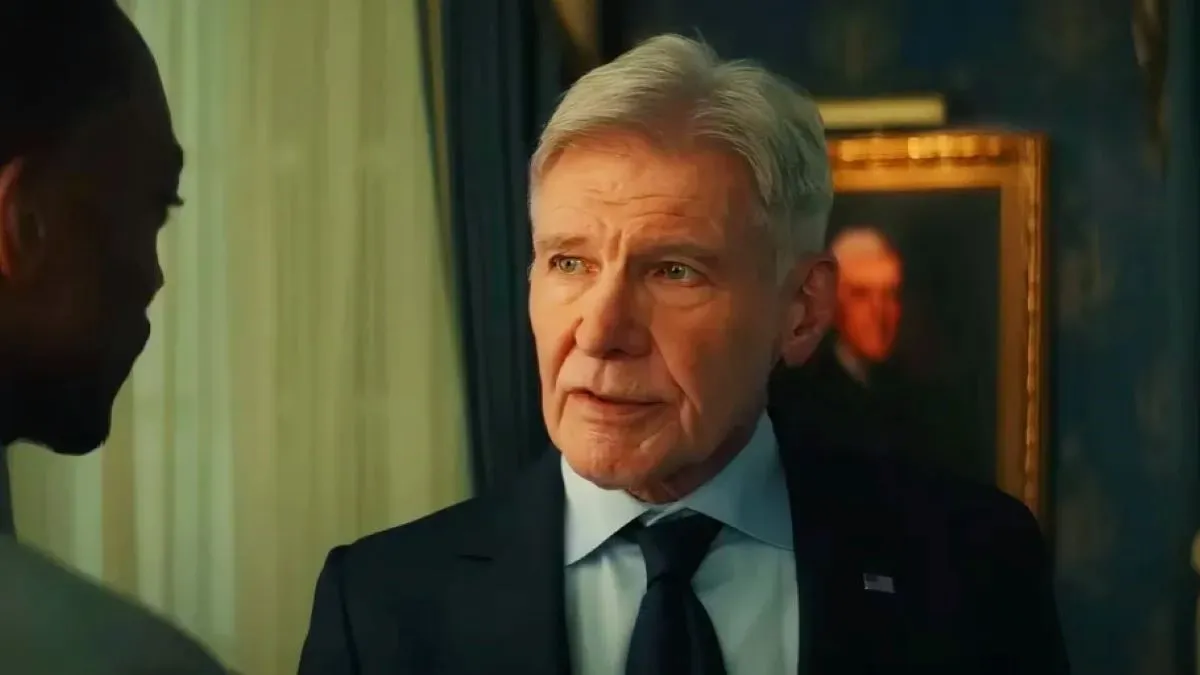
The debate surrounding superhero films, particularly those in the Marvel Cinematic Universe (MCU), often centers on their perceived shortcomings versus the broader question of whether the genre itself is fundamentally flawed. Harrison Ford, gearing up for his MCU debut in Captain America: Brave New World, recently addressed this tension in an interview with GQ. He recognized the genre’s cultural significance while acknowledging the evolution of cinema since the ’80s and ’90s, the era of his iconic roles.
Ford articulated that while he feels somewhat like a tourist in the MCU, he appreciates the franchise’s impact and its ability to provide audiences with engaging experiences. He pointed out that change is inevitable in the film industry and emphasized the importance of participating in that evolution rather than lamenting it. His stance reflects an understanding that, despite any criticism, superhero films resonate with audiences in ways that other genres may not.
However, Ford’s defense touches on a crucial issue: the current handling of the MCU. While the franchise boasts an extensive reach and a treasure trove of source material from Marvel comics, it has struggled to maintain narrative depth and originality in recent installments. The reliance on fan service, cameos, and recycled tropes has diluted the storytelling potential that the MCU could offer. Critics argue that this approach often sacrifices meaningful narratives for flashy moments and merchandise potential, leading to a formulaic experience that can feel devoid of creative ambition.
The MCU’s power lies in its ability to attract large audiences, but this also comes with the responsibility to deliver compelling stories. The challenge is not just creating a blockbuster but crafting narratives that resonate emotionally and intellectually. As Ford suggests, the MCU can still produce good experiences, but it requires a renewed focus on storytelling that goes beyond surface-level thrills.
The upcoming Captain America: Brave New World, set to release on February 14, 2024, holds promise for a shift in this direction. There’s hope that it could signal a change in how the MCU approaches its narratives, prioritizing substance over spectacle. If the franchise can find a balance between honoring its legacy and innovating within its storytelling, it may reclaim its place as a powerhouse of cinematic creativity rather than just a marketing machine.
 Last updated