The British royal family has long been invested in crafting an image of approachability, often participating in public engagements to portray themselves as relatable figures. From Prince William cheering on England at the Euros with Prince George to King Charles embracing visitors at Buckingham Palace, the royals aim to connect with their subjects. However, recent revelations about King Charles’ culinary habits and a rather peculiar fear offer a glimpse into the more eccentric aspects of royal life.
King Charles: The Everyday Monarch?
Public Engagements:
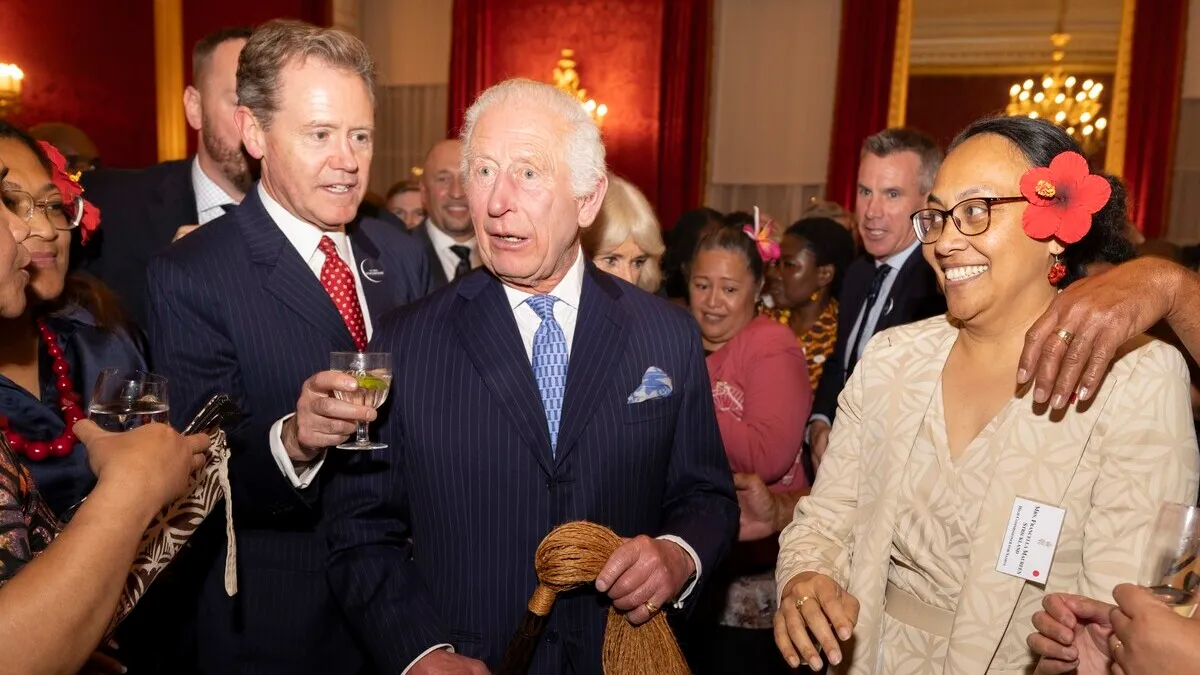
King Charles has been attempting to engage with the public more, recently showcasing a rare side of himself by participating in traditional dances and engaging warmly with visitors. This willingness to step outside the palace’s confines symbolizes his effort to be seen as a modern monarch.
Lunchtime Revelations:
In a notable shift, King Charles has reportedly begun incorporating lunch into his routine, opting for a millennial favorite: half an avocado. This change, described by a source as somewhat reluctant, underscores a more relatable aspect of his lifestyle, especially as he copes with health concerns.
The Clingfilm Incident
However, the narrative takes a bizarre twist when we consider the king’s infamous reaction to a common kitchen item: clingfilm. According to author Tom Bower’s biography, Rebel Prince, King Charles allegedly shrieked in terror upon encountering clingfilm for the first time during a meal with Queen Camilla. His reaction—complete with trembling and a panicked inquiry—raises questions about royal life behind closed doors.
The Context of Fear:
This incident illustrates the stark contrast between the royal lifestyle and the everyday experiences of ordinary people. Clingfilm, a mundane kitchen staple, becomes a symbol of Charles’ detachment from the realities most people navigate daily. It’s curious to ponder whether clingfilm is simply absent from royal kitchens or if the king’s reaction reflects a deeper discomfort with the notion of preserving food, akin to maintaining the royal family’s longstanding traditions.
A Metaphorical Interpretation
The clingfilm incident can also be interpreted metaphorically. Some anti-monarchists might argue that the royal family acts like clingfilm around the Commonwealth—an outdated protector of a stale status quo that desperately needs renewal. In this light, King Charles’ fear of clingfilm could symbolize his own anxiety about maintaining a monarchy that seems increasingly out of touch with contemporary society.
In a world where royals strive to present themselves as relatable, King Charles’ peculiar fear of clingfilm provides a humorous yet thought-provoking insight into royal life. While he attempts to embrace modernity through new eating habits and public appearances, moments like this remind us that the royal family is, after all, a complex blend of tradition and peculiarity. As the monarchy navigates its place in a rapidly changing society, perhaps it’s time for them to reconsider what truly represents the “everyday” experience.
 Last updated