
Donald Trump admitted 8 years ago that trans people should use whatever bathroom they want
 Last updated
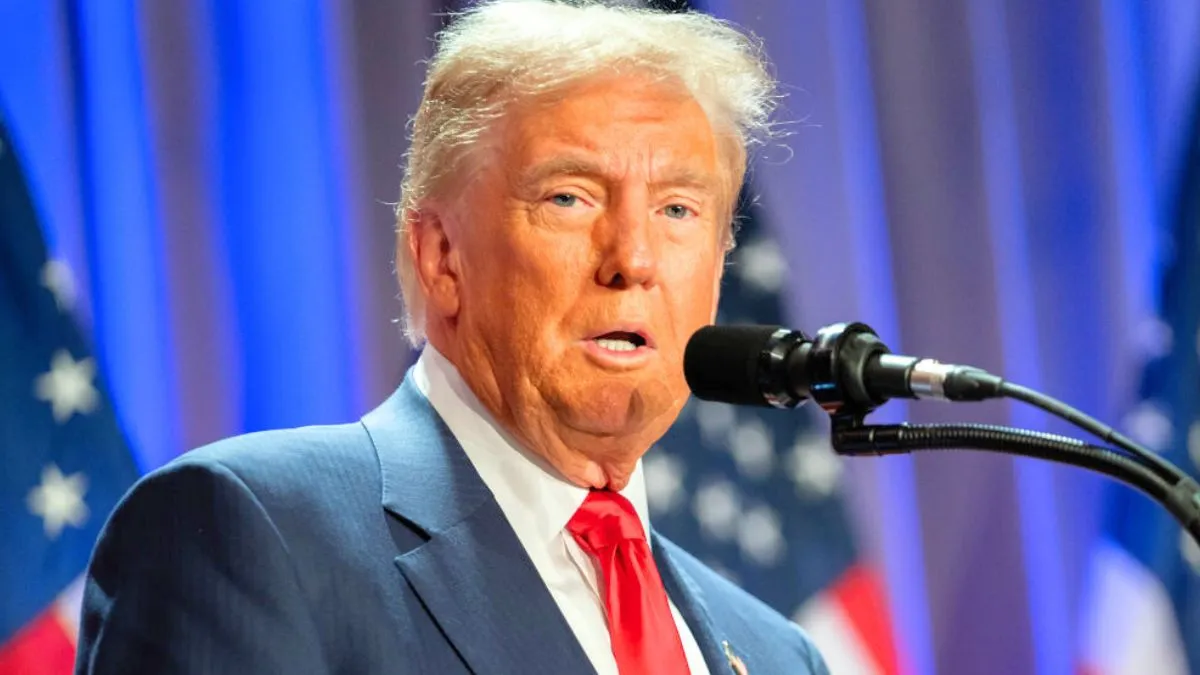
Eight years ago, the political landscape was notably different, with some surprising moments that now feel out of place given the current state of affairs. In 2016, for instance, Donald Trump took a surprisingly progressive stance on transgender rights. During a town hall event, Trump voiced his opposition to North Carolina’s controversial bathroom law, which prohibited transgender individuals from using public bathrooms that aligned with their gender identity. He argued that people should be able to use the bathroom they felt most comfortable with, noting that there had been “very few complaints” before the law was passed and acknowledging that it had caused problems for businesses and citizens in the state.
However, this position would change dramatically once Trump took office. His administration rolled back protections for transgender individuals, rescinding Obama-era guidance on Title IX that allowed transgender students to use bathrooms and locker rooms corresponding to their gender identity. The most high-profile policy reversal was the ban on transgender individuals serving in the military, which contradicted the Obama administration’s decision to allow transgender people to serve openly.
Now, with his “Agenda 47,” Trump has become a staunch opponent of transgender rights, particularly focusing on limiting transgender students’ rights in schools and banning transgender athletes from competing in sports corresponding to their gender identity. His rhetoric has grown more extreme, with him labeling medically necessary gender-affirming care for transgender youth as “child abuse” and “mutilation,” fueling baseless claims that have sparked outrage among medical professionals and advocates.
Trump’s transformation from a more moderate figure to an anti-transgender extremist has paralleled the shift in the Republican Party, which has increasingly embraced anti-transgender narratives. This has been evident in the massive amounts of money the party has spent on TV ads vilifying transgender people. Meanwhile, public figures like Sarah McBride, America’s first transgender congressperson, are rising to prominence, ensuring that the conversation around transgender rights will continue to intensify. Notable Republican figures such as Marjorie Taylor Greene and Nancy Mace have already proposed discriminatory bathroom bills, further escalating the debate.
This evolution in Trump’s stance and the broader political climate highlights the dramatic shift in how transgender issues are being addressed in the U.S. today. What once seemed like a potential bipartisan point of agreement has turned into a deeply divisive issue, with the political rhetoric surrounding it becoming increasingly hostile.