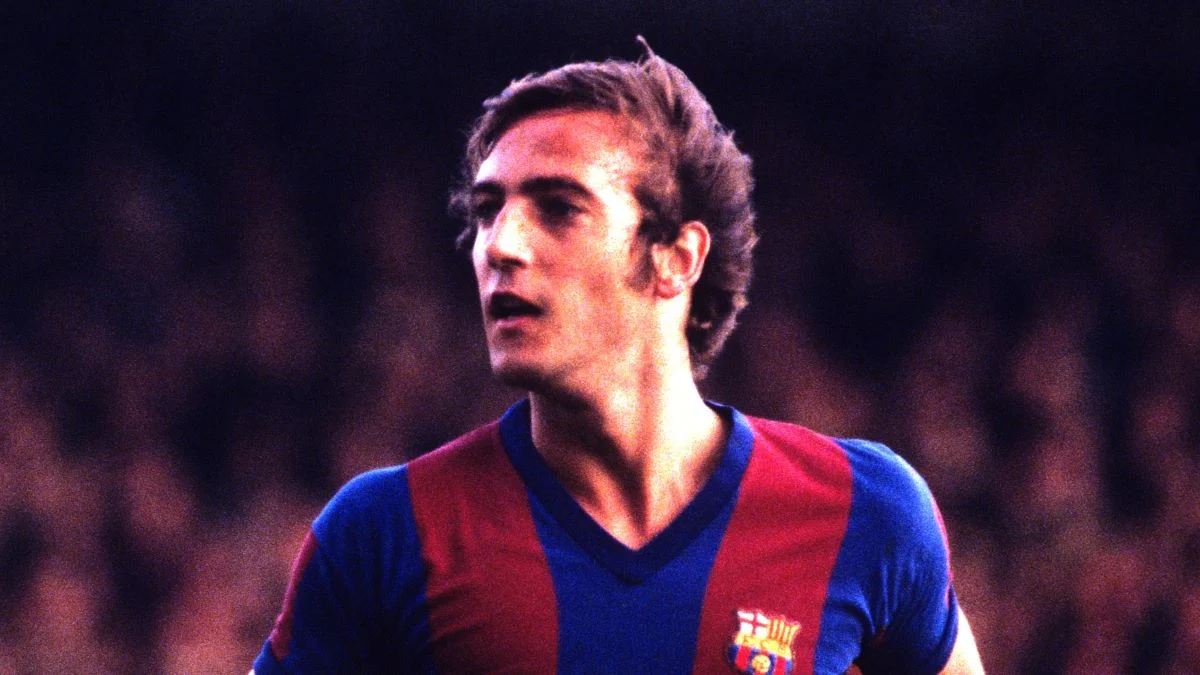
The world of football is mourning the loss of one of its all-time great midfielders, Johan Neeskens, who sadly passed away at the age of 73. The Dutch Football Association (KNVB) confirmed his death on Monday, October 7, stating that he had died the day before in Algeria while working on a coaching project.
Neeskens’ passing is a huge blow to the global soccer community, especially coming soon after the death of Sven-Göran Eriksson, a former coach. Until his final days, Neeskens was dedicated to developing young talent in the sport. He was part of the legendary Dutch teams of the 1970s, famously known as the “Clockwork Orange,” alongside football legend Johan Cruyff. Neeskens wasn’t just a skilled player; he was a true icon of his time.
For younger fans who may not know Johan Neeskens, he was truly a legend in the football world. For older generations, his name brings back memories of the golden age of Dutch football—a time when the Netherlands revolutionized the game with their innovative “Total Football” style. One of his memorable quotes, “The most beautiful football doesn’t always win,” captures his playing style and reflects the bittersweet moments of his career.
Born on September 15, 1951, Neeskens made his mark as an incredibly versatile midfielder who could tackle, pass, and score with equal skill. He was a crucial player for the Netherlands in the 1970s and also had a successful club career with teams like Ajax and FC Barcelona, where he won numerous trophies. After hanging up his boots in 1991, Neeskens stayed involved in football, serving as an assistant manager for both the Dutch and Australian national teams under Guus Hiddink. He also worked with Frank Rijkaard at Galatasaray and FC Barcelona and took on head coaching roles with NEC Nijmegen and the Netherlands B national team. His coaching journey even took him to South Africa, where he led the Mamelodi Sundowns.
Even though Neeskens never won the World Cup, his legacy in football is secure. In 2004, FIFA recognized him as one of the 125 Greatest Living Footballers, and in 2017, the magazine FourFourTwo ranked him as the 64th greatest footballer of all time. Throughout his life, he was committed to sharing his knowledge and helping young players grow, as seen in his recent work with the KNVB’s coaching project in Algeria, where he tragically passed away at 73.
As of now, details surrounding Johan Neeskens’ death are limited. The KNVB announced that he fell ill while participating in the WorldCoaches project in Algeria, where he served as an ambassador. Because he passed away so far from home, it might take some time to gather all the necessary information and share it with the public.
Since the news of his death broke, heartfelt tributes have poured in from all over. Clubs like Ajax and Barcelona have honored Neeskens’ memory, and Ronald Koeman, the current coach of the Netherlands, praised him, calling him “a small man who was my big idol.” Neeskens’ impact on football will certainly be remembered for years to come.
 Last updated