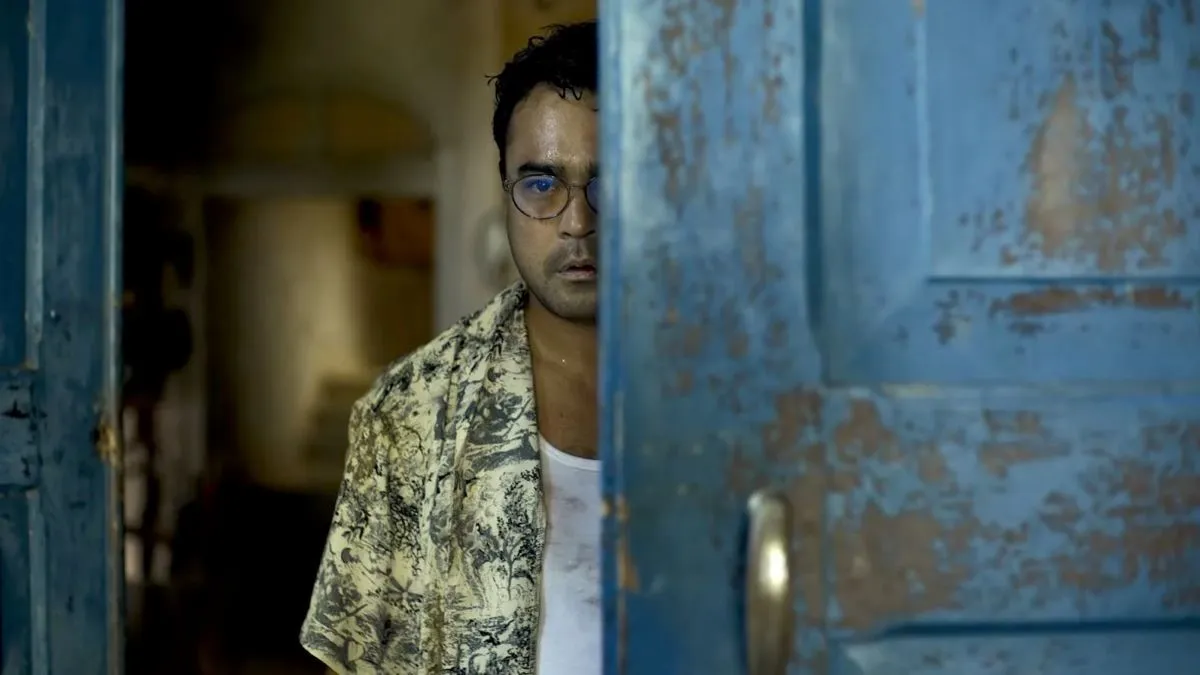
Outside emerges as a refreshing take on the zombie genre, offering a compelling blend of horror and deep emotional storytelling that resonates with contemporary audiences. Directed by Filipino-Australian Carlo Ledesma, this Netflix-exclusive film skillfully navigates the familiar tropes of a zombie apocalypse while delivering a poignant narrative about domestic abuse and the fragility of family dynamics.
Set against the backdrop of an unexpected zombie outbreak, Outside centers on Iris Abel, portrayed by Beauty Gonzalez, and her husband Francis (Sid Lucero), who seek refuge in a family mansion with their two children. As they grapple with dwindling food supplies and the constant threat of the undead, it soon becomes clear that the true horrors lie not only in the external dangers but also within the family’s fractured relationships.
Ledesma’s narrative is both innovative and layered. By intertwining the story of a domestic crisis with the chaos of a zombie apocalypse, he elevates the genre beyond mere gore and survival instincts. The film dissects Francis’ deteriorating masculinity, revealing how his emotional scars manifest in destructive ways, particularly towards Iris and the children. This exploration is highlighted during a key moment when Francis confronts a zombie attacking his family. Initially, the tension revolves around the fear of a zombie bite, but it quickly morphs into a chilling commentary on Francis’s unpredictable nature and his grasp on control.
In interviews, Ledesma has drawn parallels between Outside and classic family-in-crisis films like Ordinary People and American Beauty, emphasizing that the heart of his story lies in the intimate moments shared by the Abel family, particularly during their meals together. These dining scenes become the true battlegrounds, where underlying tensions and secrets come to the forefront, revealing the emotional stakes at play.
The film also touches on the fantasy often associated with apocalyptic scenarios, particularly from a male perspective. It juxtaposes the adrenaline-fueled fantasies of teenage boys—dreaming of wielding chainsaws and fighting zombies—with the sobering reality of adult responsibilities, such as protecting one’s family. This commentary invites viewers to reflect on the complexities of masculinity, especially when influenced by trauma and societal expectations.
Overall, Outside stands out in a saturated genre, combining visceral horror with a deeply human narrative. It challenges viewers to confront not just the threat of zombies, but the often-unseen battles that occur within families, making it a unique and thought-provoking addition to the landscape of zombie media. Ledesma and his team deserve accolades for crafting a story that is both chilling and emotionally resonant, proving that horror can serve as a powerful lens for examining real-world issues.
 Last updated