The frustration surrounding adaptations of beloved books, especially in the fantasy and horror genres, is palpable, particularly with the examples of Game of Thrones and Salem’s Lot. Both have sparked debates among fans about fidelity to the source material, character development, and overall narrative integrity.
In the case of Game of Thrones, the series diverged significantly from George R.R. Martin’s books, particularly when it came to character arcs and motivations. Characters like Cersei Lannister, portrayed by Lena Headey, lost much of their complexity in the adaptation. In the novels, Cersei is a multi-faceted character driven by deeper motivations and flaws, whereas the show reduced her to a more straightforward antagonist. The absence of key characters like Arianne Martell, whose political acumen and depth are crucial in the books, further illustrates the shortcomings of the adaptation.
Euron Greyjoy’s portrayal in the show is another point of contention. Instead of the terrifying and apocalyptic figure from the novels, he is depicted more like a cartoonish pirate. This shift diminishes the narrative stakes and the overall impact of his character on the plot. While Pilou Asbæk delivered a commendable performance, the material he was given limited his ability to convey the true menace of Euron.
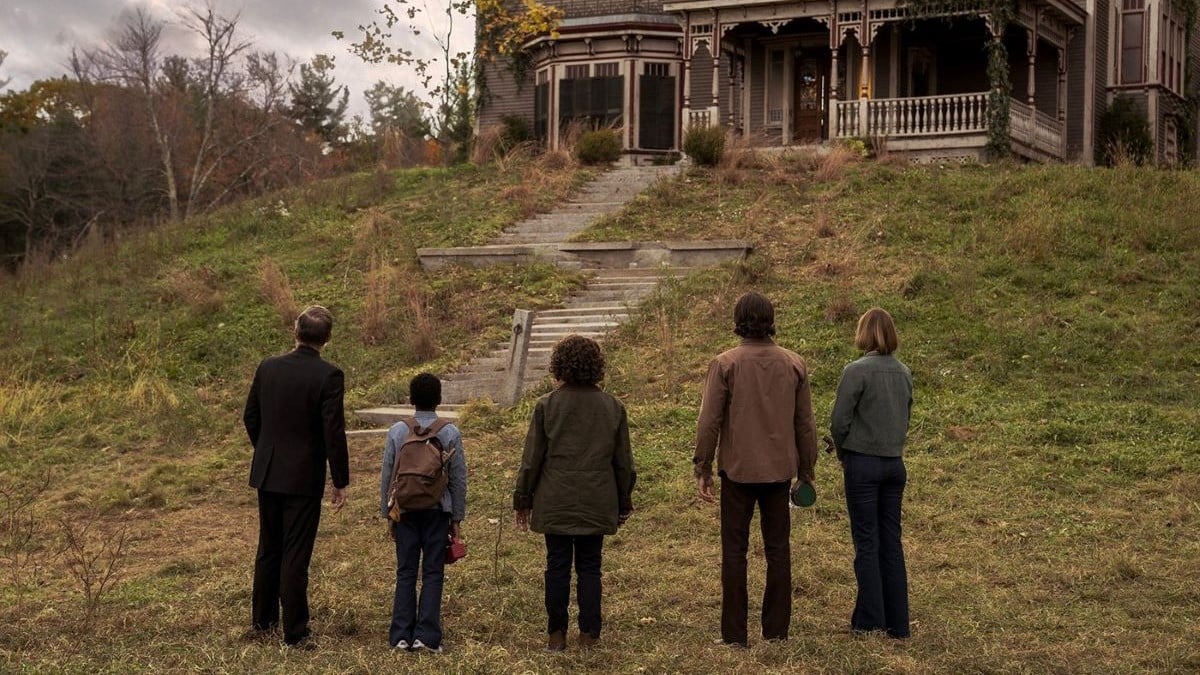
Similarly, Salem’s Lot had the potential to be a standout adaptation of Stephen King’s work, yet it fell short in execution. With such a rich narrative and a dense plot spanning nearly 700 pages, compressing it into a film under two hours inevitably leads to missed opportunities for character development and storytelling depth. Asbæk’s role as Straker suffers from this compression, as he is relegated to being a mere shadow of his literary counterpart. The film’s pacing prevents audiences from fully grasping his character’s significance, leaving them confused about his motives and actions.
The comparison between the two adaptations highlights a broader issue in film and television adaptations of complex narratives. When time constraints force creators to prioritize spectacle over character depth and story coherence, the result can be a hollow experience that leaves fans dissatisfied. The emotional and psychological layers that make these characters resonate in their original forms are often lost, leaving behind only fragments that fans of the source material struggle to recognize.
Ultimately, both Game of Thrones and Salem’s Lot serve as cautionary tales for adaptations in how crucial it is to honor the source material’s spirit and depth. As fans continue to express their disappointment, the hope remains that future adaptations will learn from these missteps, prioritizing character complexity and narrative integrity to create experiences that do justice to their beloved origins.
 Last updated