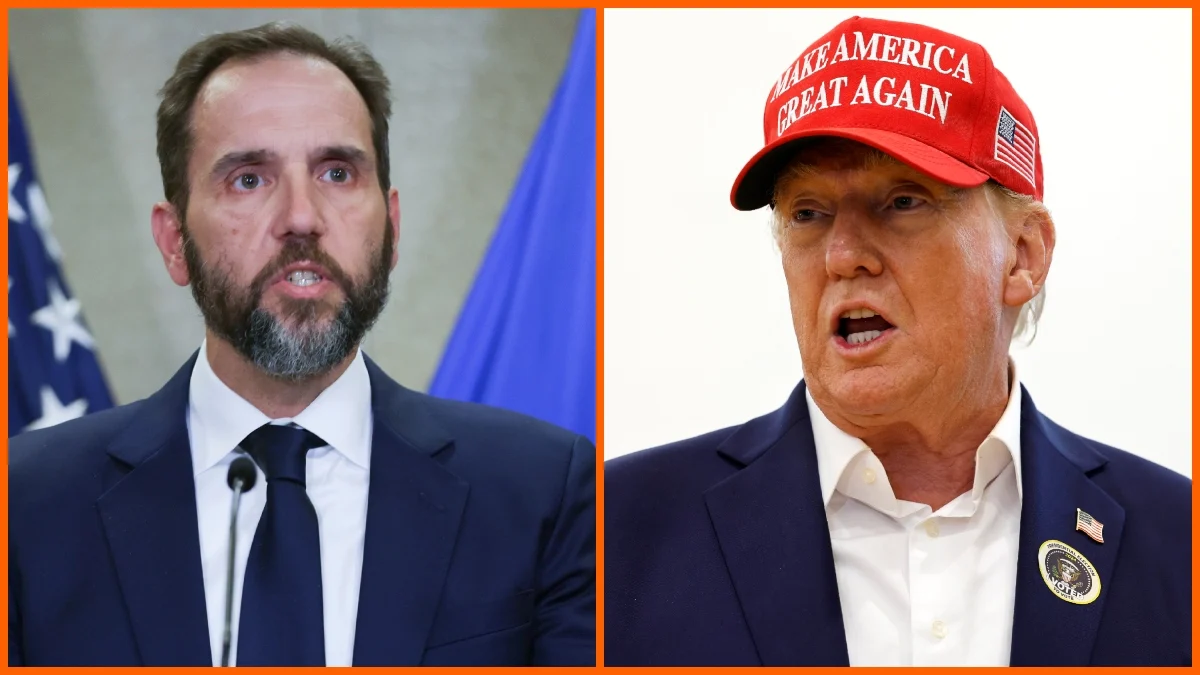
In a stunning turn of events, the federal case against Donald Trump, spearheaded by special counsel Jack Smith for his alleged attempts to overturn the 2020 election results, has been dismissed. U.S. District Judge Tanya Chutkan granted Smith’s request to drop the charges, citing complex legal and constitutional considerations.
The case had involved serious allegations, including Trump’s efforts to pressure state officials and spread false claims about voter fraud in an attempt to alter the election outcome. However, with Trump winning the 2024 presidential election, a significant DOJ policy came into play: sitting presidents cannot be prosecuted. This policy is grounded in the belief that a president’s responsibilities are too crucial to be interrupted by legal proceedings. Additionally, legal experts argue that the Constitution protects presidents from criminal prosecution while they are in office.
Smith acknowledged that this was an unprecedented situation, as Trump was the first former president to be indicted, face criminal prosecution, and then return to office. After consulting with the DOJ’s Office of Legal Counsel, it became clear that the case could not proceed once Trump was re-elected. While Smith emphasized that this decision had nothing to do with the strength of the case or evidence, it was about following DOJ policy and constitutional guidelines.
This dismissal also impacts Trump’s other ongoing federal legal issues, including the case involving classified documents. Both cases are now effectively on hold, as Trump’s return to office shields him from prosecution at the federal level. Furthermore, the recent Supreme Court ruling that presidents are immune from prosecution for “official acts” added another layer of complication to the case.
Although Trump is protected from federal prosecution while in office, a state-level case in Georgia regarding election interference remains pending. However, for now, this case is paused. Smith, who had been overseeing the investigation, announced that he would step down before Trump’s inauguration, but stressed that his decision was not a retreat, but a recognition of the legal limits on prosecuting a sitting president.
For Trump and his supporters, this dismissal could be seen as a form of vindication, as the legal barriers continue to protect him while he holds office.
 Last updated