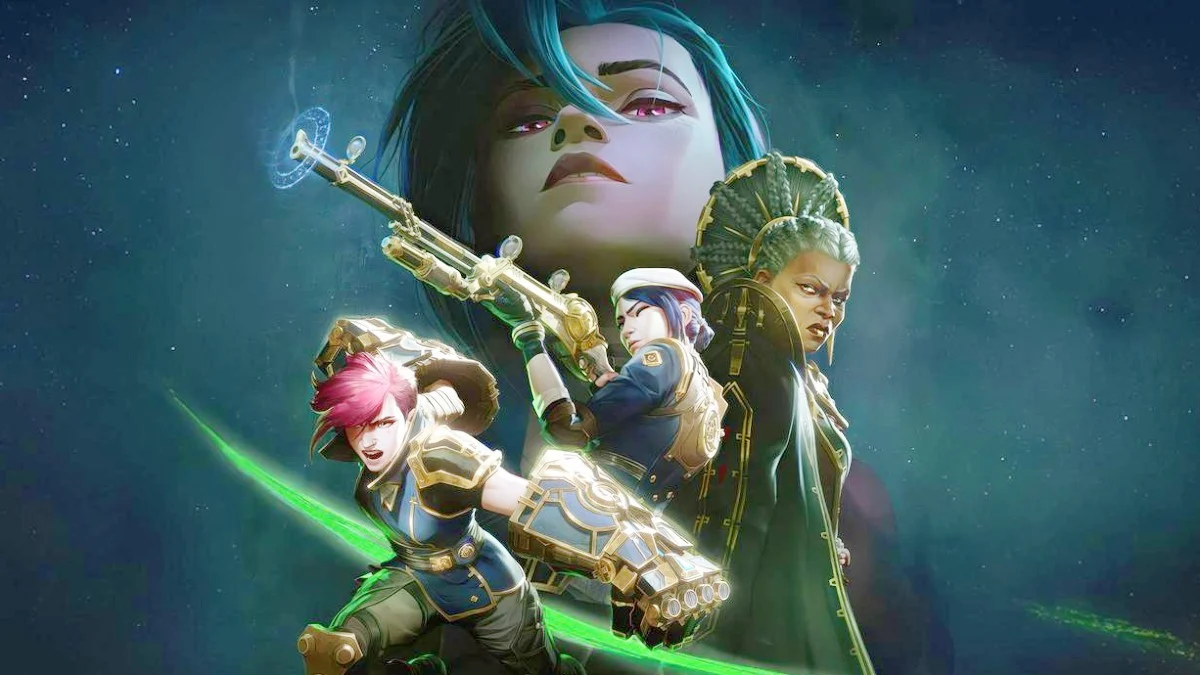
It’s a fascinating observation—why are great stories so rare these days, and what does the reaction to Caitlyn in Arcane Season 2 reveal about the state of modern storytelling?
The backlash Caitlyn is facing after her trauma-fueled actions highlights a broader issue in entertainment: the tension between complex, nuanced character development and audience expectations. In Caitlyn’s case, her descent into morally gray behavior is a natural, albeit uncomfortable, progression from the grief and anger she’s experienced. Her actions are driven by deep trauma, not just pure malice, and the show is exploring the consequences of that. Yet, some fans are quick to judge her harshly, demanding that she remain the “perfect” hero they’ve come to admire. This is where the problem lies—the discomfort of watching a beloved character wrestle with flaws, guilt, and destructive choices can be jarring, especially in an age where audiences often prefer clear-cut heroes and villains.
The vitriol directed at Caitlyn for her morally dubious actions reflects a reluctance to embrace complex storytelling, where characters are allowed to make mistakes and evolve, even if that means they step into darker territory. Unfortunately, as you pointed out, this backlash might lead creators to shy away from taking risks in their narratives. If audiences react negatively every time a character steps out of the established hero mold, studios might play it safe with formulaic plots that avoid challenging their viewers. The desire to avoid backlash from vocal fans can lead to more predictable, less daring stories that lack the depth and unpredictability that make great art.
This isn’t a new issue—audiences have always had differing opinions on character arcs, but the internet’s ability to amplify every voice (no matter how small or extreme) can make it difficult for creators to navigate the complexities of character development. If creators begin to cater too much to these instant reactions, the result could be a more sanitized, less ambitious entertainment landscape. At its best, though, Arcane shows the potential of storytelling that doesn’t shy away from showing characters in all their flawed humanity, even if it makes the audience uncomfortable.
Ultimately, it’s these uncomfortable, messy character journeys that give stories their richness. Caitlyn’s transformation into someone who’s not only navigating external threats but also internal turmoil offers a compelling narrative. Whether or not the fanbase appreciates it, this kind of evolution is essential for a meaningful story. It’s about embracing the messiness of life, something that the safest, most cookie-cutter stories often fail to capture. If creators continue to take these risks, we might just see a resurgence of the daring, character-driven stories that the industry desperately needs.
 Last updated