
Hurricane experts slam Trump’s Project 2025 plans to slash storm forecasting and relief aid
 Last updated
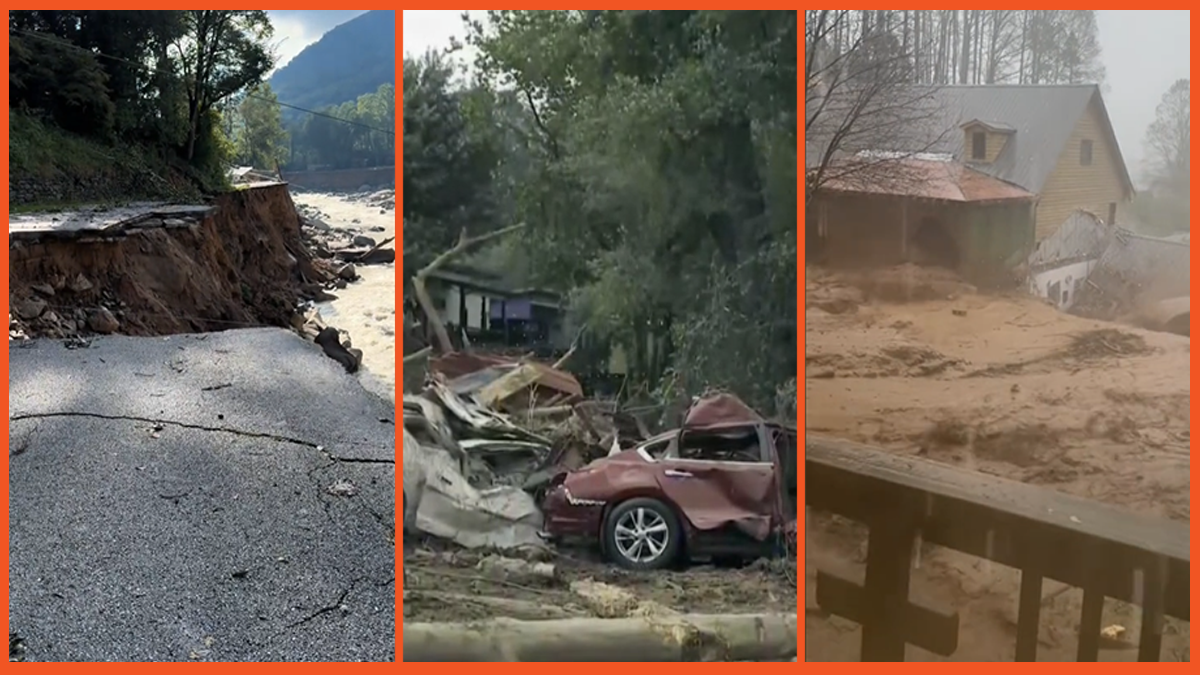
Hurricane Helene wreaked havoc across five states in September 2024, emerging as one of the deadliest storms in U.S. history. This catastrophic event is being viewed as a troubling harbinger of future disasters, rather than an isolated incident, raising alarm about the escalating impact of climate change on storm intensity and frequency. As Hurricane Milton followed closely behind, many on the East Coast faced skyrocketing flight prices and exorbitant hotel fees in a desperate bid to escape the impending threat.
The political fallout from the storm has intensified as President Joe Biden criticized House Republicans for not reconvening to provide necessary disaster relief, while Republicans deflected blame, absurdly claiming Democrats “control the weather.” This rhetoric has turned the hurricane into a pivotal issue in the contentious 2024 election, with experts warning that a potential Trump victory could exacerbate hurricane disasters due to proposed changes outlined in Project 2025—a conservative manifesto for a second Trump presidency.
Although Trump has distanced himself from the document, its creation involved many of his former officials, and its implications are dire. Project 2025 aims to drastically reduce the scope of the National Oceanic and Atmospheric Administration (NOAA), which has been instrumental in climate research and disaster preparation for over a century. The document labels NOAA as part of a “climate change alarm industry,” disregarding the essential role it plays in monitoring extreme weather and providing critical forecasts.
Former NOAA officials express grave concern over the plan to privatize weather forecasting, emphasizing that profit motives would compromise the reliability of severe weather predictions. The proposal to downsize other agencies, including FEMA, threatens to cripple the federal flood insurance program that many depend on for recovery after disasters. Experts warn that reducing federal disaster aid would lead to greater suffering and loss of life in the wake of catastrophic events.
The National Weather Service (NWS) plays a crucial role in coordinating emergency responses and issuing timely warnings based on extensive climate data. Following Hurricane Helene, emergency responders expressed regret for not fully heeding NWS alerts. While some areas faced mandatory evacuation orders, the timely warnings potentially saved countless lives.
Project 2025’s plan risks leaving vulnerable populations without adequate support during emergencies, as it diminishes the effectiveness of alert systems and cuts FEMA’s disaster funding significantly. Under the current system, FEMA covers a substantial portion of disaster costs; however, the proposed changes would lower this support, leaving states to shoulder a heavy financial burden.
The aftermath of Hurricane Katrina, which resulted in damages ranging from $108 to $125 billion, illustrates the potential devastation states could face in rebuilding efforts. With private insurance companies increasingly withdrawing from coastal areas and unprecedented storms becoming the norm, the need for robust programs like FEMA, NOAA, and the NWS has never been more critical. The challenges posed by climate change and the potential consequences of political decisions underscore the urgent need for comprehensive disaster preparedness and response strategies.