Stephen King confirms that if these 3 people reach high office, the U.S. is BIG screwed
 Last updated
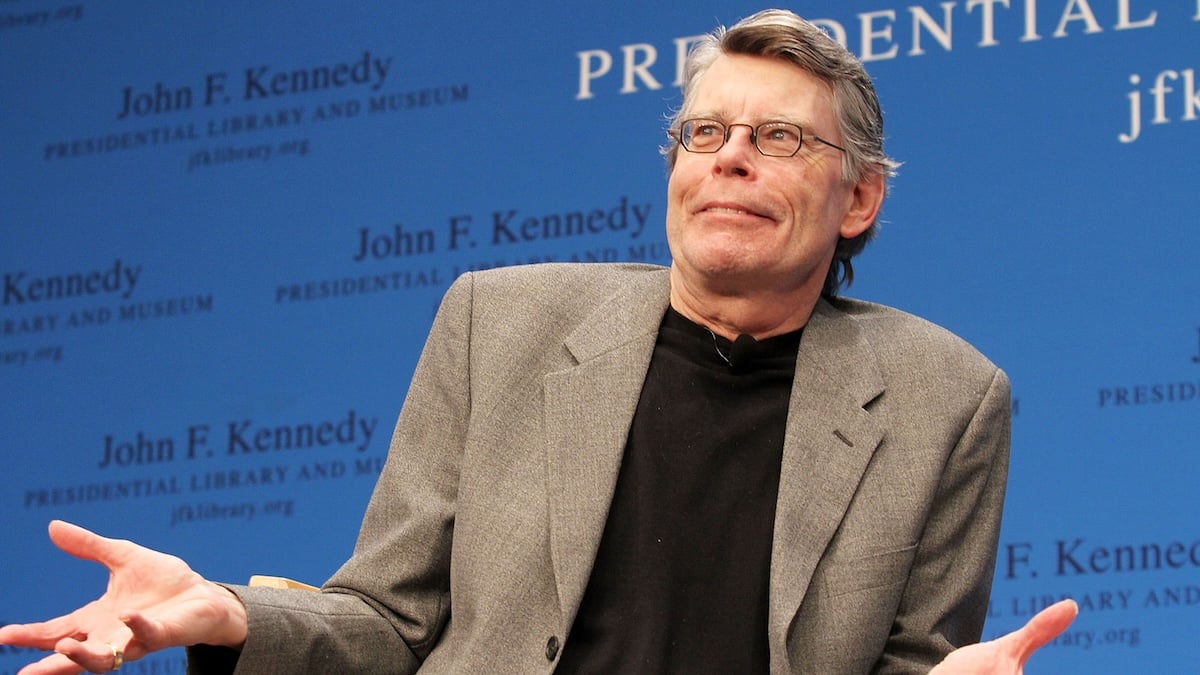
Stephen King’s invocation of the phrase “speak truth to power” takes on a new and chilling dimension as he paints a dystopian picture of a potential second Trump administration filled with controversial right-wing figures like Elon Musk, Kid Rock, and Roseanne Barr. His critique is both humorous and unsettling, encapsulating the fears of many about the current political landscape.
In a world where political loyalty often supersedes qualifications, King highlights the potential for these celebrities—known more for their antics than any substantive political experience—to hold positions of power. The tweet, which has garnered over a million views, serves as a reminder of the unpredictable nature of Trump’s previous cabinet appointments, which were frequently influenced by personal relationships rather than expertise. The example of Rudy Giuliani leading the cybersecurity division and the appointment of real estate magnates to infrastructure advisory roles illustrates a troubling trend where loyalty to Trump, rather than merit, dictated choices.
The specter of figures like Musk—who has cultivated a persona intertwined with conspiracy theories and anti-“woke” sentiments—becoming part of a Trump cabinet isn’t as far-fetched as it may seem. Musk’s affinity for Trump and his willingness to entertain right-wing talking points could easily translate into a government role, especially considering Trump’s penchant for appointing those who echo his views and bolster his agenda.
Kid Rock’s inclusion further underscores the absurdity and potential dangers of celebrity-driven politics. His notorious behavior, such as his infamous incident with Bud Light cans, reveals a penchant for shock value rather than thoughtful leadership. The notion of him in a significant position raises questions about the seriousness of governance in an environment where entertainment and politics increasingly blur.
Roseanne Barr, known for her outlandish conspiracy theories and extreme views, symbolizes a faction of celebrity culture that embraces radical narratives. Her recent performances have demonstrated a disconnect from reality that, if taken to heart in a political context, could have dire consequences.
King’s portrayal, while exaggerated for effect, taps into a deeper anxiety about the erosion of political norms and the rise of celebrity influence in governance. In a political climate where loyalty and spectacle often outweigh experience and reason, the possibility of such appointments reflects broader societal concerns about who gets to wield power and how those decisions are made.
Ultimately, King’s commentary serves as a call to vigilance. While it may sound like a wild nightmare scenario, the potential for these figures to gain influence highlights the urgent need for accountability and a return to governance grounded in expertise and public service. As the political landscape continues to evolve, the line between celebrity and leadership may become increasingly blurred, and it’s up to the electorate to demand better.