
‘Dancing With The Stars’ viewers are fed up with Gene Simmons’ questionable voting choices
 Last updated
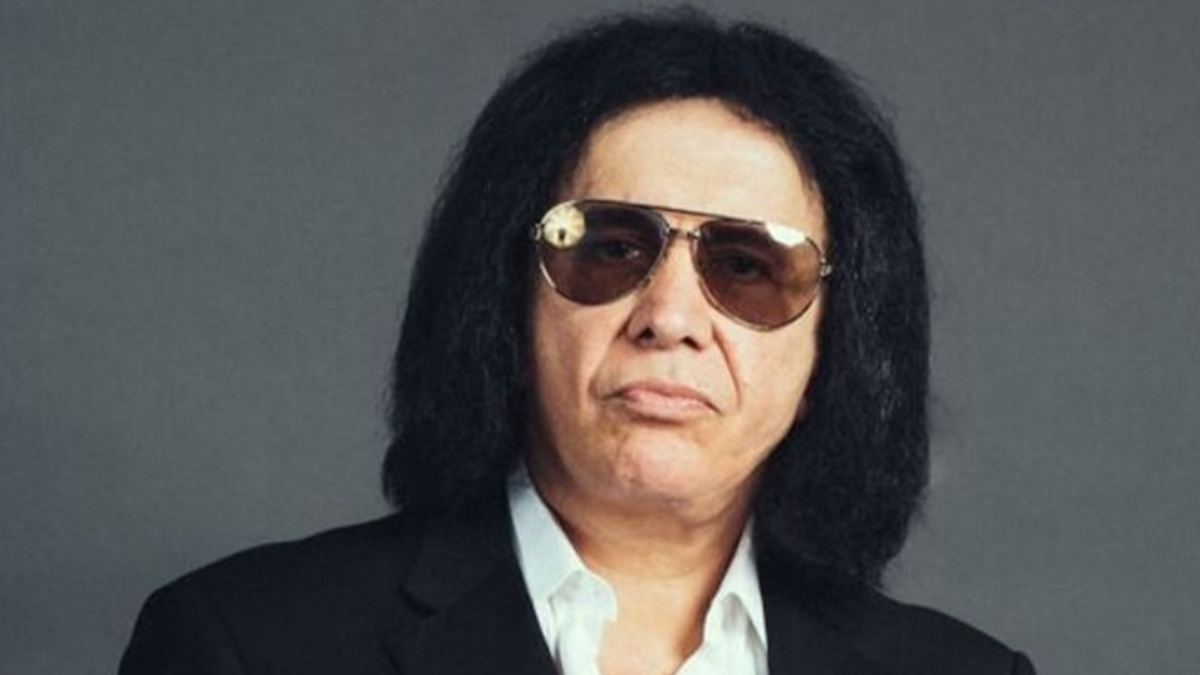
Last night marked a dramatic installment of *Dancing with the Stars* as Season 33 celebrated Hair Metal Night. Following the previous night’s Soul Train-themed episode, the show welcomed guest judge Gene Simmons, the iconic KISS rockstar, for an evening of headbanging performances and flamboyant costumes.
The remaining eleven couples went all out, sporting metal wigs, rock-inspired attire, and temporary tattoos that matched the theme. The energy was electric, but Simmons quickly became a controversial figure as a judge. His first score of the night—a nine for Danny Amendola and Whitney Carson—set a precedent, but it was clear he was more focused on the couple’s attractiveness than their dancing skills.
Throughout the night, Simmons made headlines not just for his scoring but for his comments, often veering into territory that fans deemed inappropriate or irrelevant to the dance performances. He remarked on Chandler Kinney’s performance, saying she “fogged up his glasses” with her moves, again prioritizing physical appeal over the technical execution of the dance.
As the evening progressed, Simmons attempted to give a ten to the show’s most conventionally attractive pair, Brooks Nader and Gleb Savchenko, even though the other judges scored them an eight. Unfortunately, Simmons’s initial instinct to score them a nine left him unable to adjust his score.
The disparities in his scoring drew significant attention from fans, particularly when it became evident that Simmons was favoring attractive white contestants over their counterparts. For instance, after a solid performance, Phaedra Parks and Val Chmerkovskiy received sevens from the regular judges, but Simmons only awarded them a five. His feedback for Phaedra lacked the compliments about beauty that he readily offered to other competitors.
Fans took to social media to voice their frustration, suggesting that Simmons treated the competition more like a beauty pageant than a dance contest. Many observers noted a troubling pattern: higher scores for contestants he found attractive, regardless of their dancing ability, while women of color often received lower marks.
Overall, Simmons’s appearance as a judge left many questioning the integrity of the scoring process and whether the focus on attractiveness was overshadowing the actual talent on display. The episode sparked a lively discussion online about the fairness and objectivity of judging on *Dancing with the Stars*, and how biases can influence perceptions and outcomes in competitive settings.