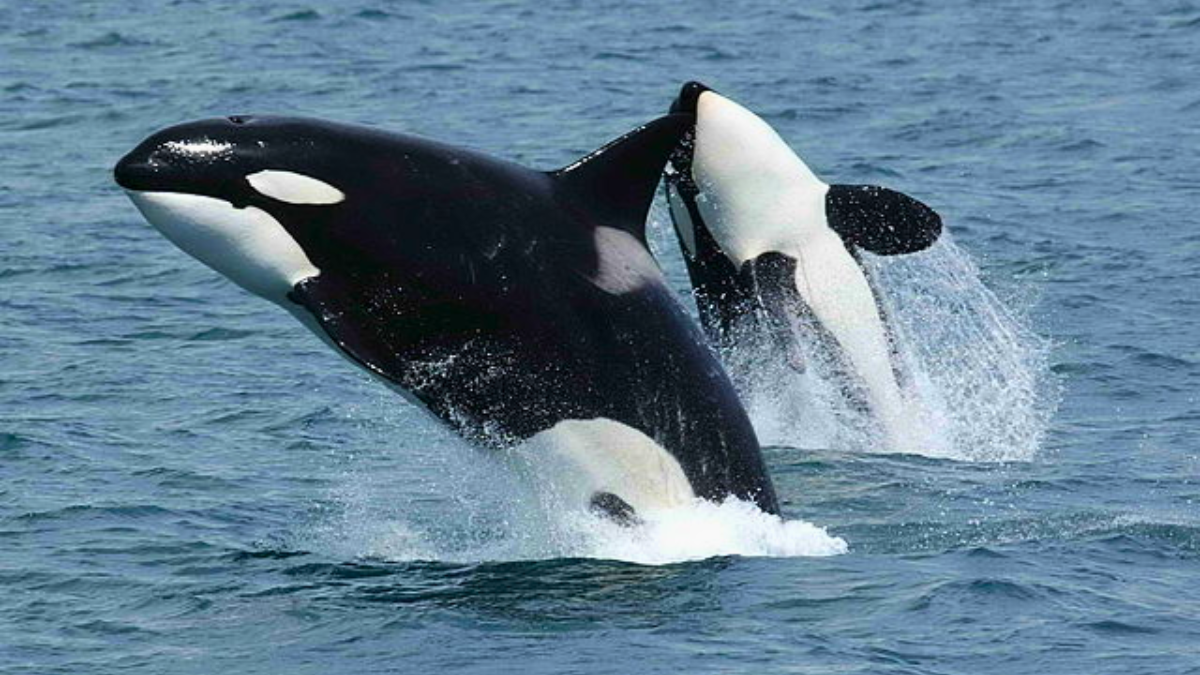
The unexpected behavior of killer whales hunting moose is a fascinating example of nature’s adaptability and unpredictability. Traditionally, orcas are known as skilled predators of marine animals like seals and sharks, but recent observations have revealed that they can also target terrestrial mammals when the opportunity arises.
How Do Orcas and Moose Cross Paths?
The interactions between orcas and moose primarily occur in the coastal waters of the Pacific Northwest, especially around British Columbia and Alaska. In these regions, the underwater topography features deep fjords and inlets that push moose into orca territory. Moose, while primarily terrestrial creatures, are surprisingly adept swimmers. They can swim at impressive speeds—comparable to Olympic athletes—especially when searching for aquatic plants, which they do during the summer months for extra sodium, a nutrient often lacking in their regular diet.
One notable event from 1992 involved a pod of four Biggs’ killer whales attacking two swimming moose. The larger moose was successfully taken down, while the smaller one, although it managed to escape, succumbed to its injuries later on.
The Hunting Dynamic
Moose are capable swimmers, diving up to six meters and covering significant distances. However, they face a disadvantage when swimming in deeper waters, where orcas thrive. Orcas can reach speeds of up to 35 miles per hour, making them formidable hunters. The combination of the moose’s need to swim for food and the geographic features of their habitat creates a perfect storm for these rare predatory encounters.
Orcas: Masters of Adaptation
This behavior is just one instance of the orca’s remarkable adaptability. Orcas have demonstrated diverse hunting strategies throughout their lives, including unique techniques like creating waves to knock seals off ice floes in Antarctica and recent aggressive behaviors toward boats in Europe. According to Dr. Robert Pitman from Oregon State University, orcas represent “the biggest apex predator we have on the planet today,” highlighting their dominance in the marine ecosystem.
While moose are not a staple of orca diets, these encounters underscore the fascinating interplay between species in nature. Such interactions provide a glimpse into the versatile and opportunistic feeding behaviors of orcas. As these extraordinary events continue to unfold, they draw attention to the intricacies of marine life, and we eagerly await further documentation and exploration of these rare phenomena, possibly through platforms like National Geographic. For now, there’s no immediate cause for alarm regarding moose populations, but it’s a reminder of how interconnected and dynamic ecosystems can be.
 Last updated