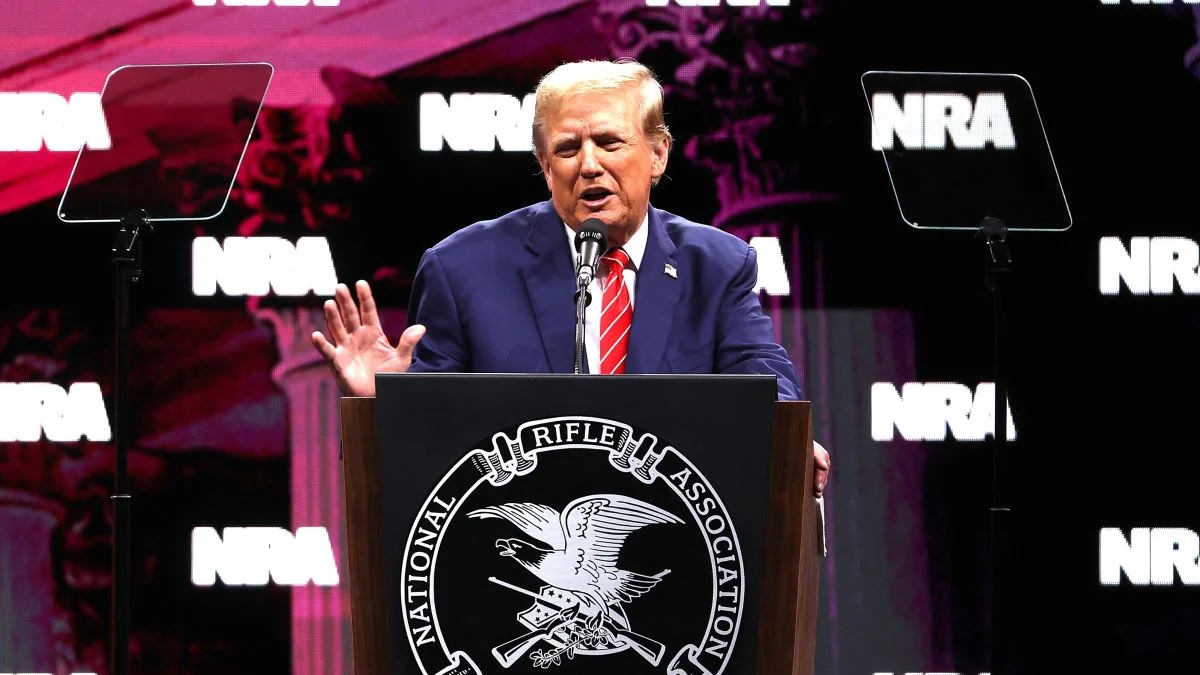
The United States is often recognized globally for three things: Hollywood, fast food, and the troubling prevalence of mass shootings. There’s a common pattern in the political discourse surrounding these tragedies—particularly a tendency for one side to blame everything but the actual weapons involved.
A frequent target of blame is video games. As someone who grew up enjoying video games and has never harmed anyone, I find this argument perplexing. Those who assert that video games lead to violent behavior often lack gaming experience themselves and seem intent on diverting attention away from the real issue: the accessibility of guns and inadequate gun control.
During his presidency, Donald Trump was vocal about his belief that video games contributed to gun violence. In a speech following mass shootings in Ohio and Texas in 2019, he called for an end to the “glorification of violence.” Fast forward five years, and it feels ironic hearing such sentiments from the same individual who recently suggested that the military could address what he labeled as “the enemy from within”—a reference to “radical left lunatics.”
While it’s true that Trump condemned racism and hate in that speech, which was a step in the right direction, one can’t shake the feeling that he was simply reading words crafted by someone else. This speech took place long before the events of January 6, 2021, and overlooks numerous instances where Trump used inflammatory language or outright lies to stoke fear and division, such as claiming Haitian migrants were harming local pets.
Though he acknowledged mental health as a factor in violence, Trump avoided alienating his gun-supporting base. The year before, he noted that many people were commenting on how video game violence influenced young minds.
Critics have pointed out the flaws in Trump’s reasoning. Research shows a slight correlation between video games and violent behavior, but it’s not significant. Psychologist Jonathan Haidt, in his book The Anxious Generation, emphasizes that while video games in moderation don’t seem harmful for most kids, around 7% may develop true addictions or problematic use that interferes with their daily lives.
In a vice-presidential debate, JD Vance suggested increasing security measures in schools to combat shootings. In response, Tim Walz referenced Finland, a country with high gun ownership but a notable absence of school shootings. Walz’s point highlights an important question: What can America learn from countries like Finland about effectively preventing gun violence?
Instead of getting caught up in the blame game, it might be time for Americans to step back and examine what strategies other nations are employing successfully. Understanding these differences could be crucial for addressing and reducing the epidemic of mass shootings in the U.S.
 Last updated