
King Charles visits Australian cancer institute and a professor opens up on his treatment
 Last updated
King Charles III has faced significant health challenges since beginning his reign, starting with a hospital stay in January 2024 for an enlarged prostate. During this procedure, doctors discovered he was suffering from cancer, though it’s been confirmed that he does not have prostate cancer. Buckingham Palace has kept details about his condition under wraps, but it’s known that he is receiving treatment and has briefly paused it to undertake an official visit to Australia.
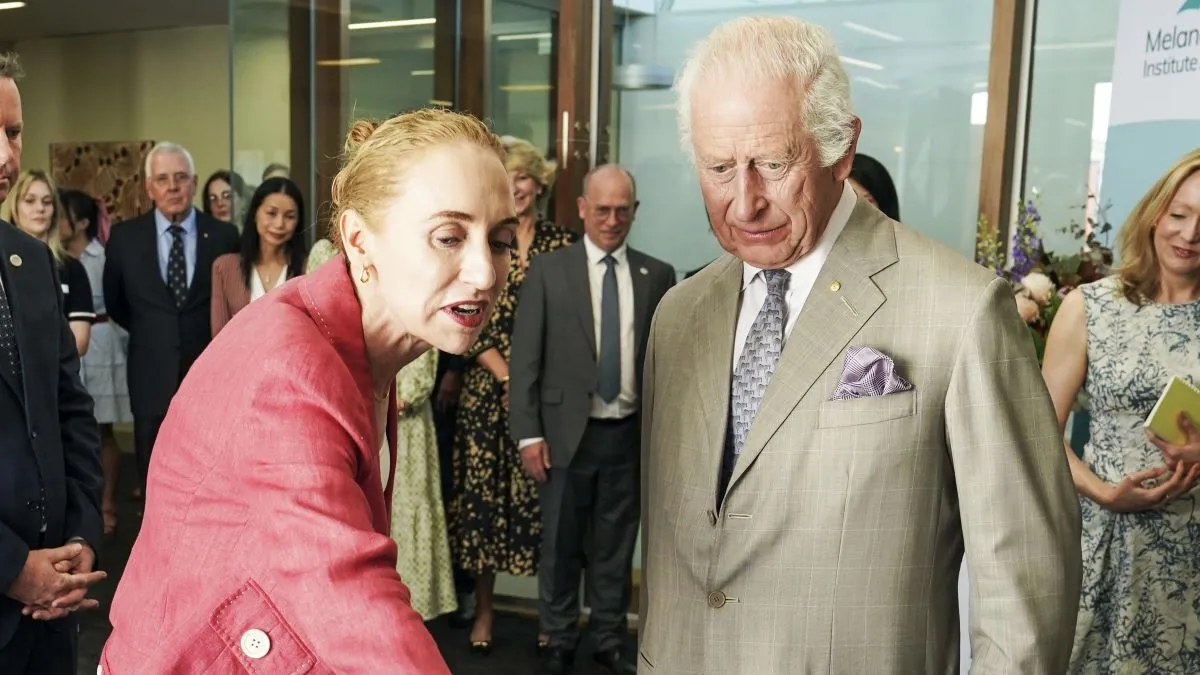
This trip has not been without its hurdles. Charles’s health has limited the length of his public appearances, and he has faced protests from Indigenous groups who view him as a symbol of colonialism. However, during his visit to the Melanoma Institute Australia, he was able to engage with researchers working on new treatments for cancer.
He met with co-medical directors Professors Richard Scolyer and Georgina Long. Professor Scolyer, a brain tumor survivor himself, commended the King for his openness about his cancer diagnosis, highlighting the varying reactions people have to such news. Professor Long discussed the complexities cancer patients face when balancing treatment with quality of life, emphasizing that if Charles feels well enough, it’s reasonable for him to take breaks from his treatment for official duties.
During his visit, Charles also met melanoma survivor Adam Brown, who had been given a year to live after his diagnosis in 2015. The encounter was a heartfelt moment, with Charles congratulating Brown on his survival.
While the King’s ability to participate in public engagements suggests he is not gravely ill, his condition remains serious. His speeches hint at an awareness of time’s passage, reflecting the reality of his ongoing health journey. As he navigates these challenges, his commitment to his royal duties remains steadfast, and his openness about his health may resonate with many facing similar battles.