
Tucker Carlson-daughter spankings controversy explained!
 Last updated
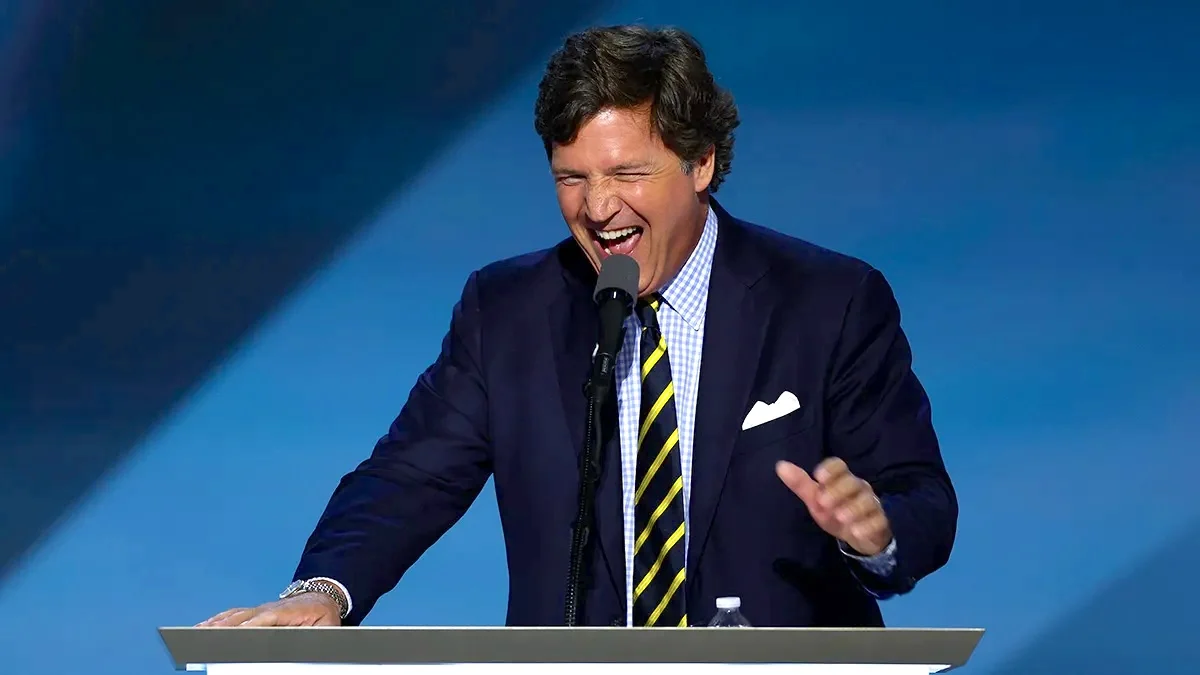
The recent comments made by Tucker Carlson at a Turning Point USA event have stirred significant controversy and backlash, highlighting a disturbing trend in the rhetoric used by some conservative figures. Carlson’s hyperbolic analogies drew widespread criticism, particularly for their unsettling implications about parenting and discipline.
In his speech, Carlson painted a bizarre picture of a father disciplining his rebellious teenage daughter, linking disobedience to future substance abuse in a way that felt more alarming than insightful. He stated, “You’ve been a bad girl. You’ve been a bad little girl and you’re getting a vigorous spanking right now,” a phrase that many found not only inappropriate but also deeply unsettling, especially coming from a father of three daughters.
This analogy, described by critics as reminiscent of questionable and potentially abusive dynamics, did not stop there. Carlson continued to emphasize the supposed necessity of harsh discipline, suggesting that it would “hurt you a lot more than it hurts me” — a phrase often used to justify physical punishment, yet rarely if ever applied in a healthy parent-child relationship.
His comments, while intended to provoke thought, instead veered into territory that many found cringe-worthy and disturbing. Critics argue that such rhetoric reinforces outdated and harmful views on masculinity and authority, painting a picture of Trump as a paternal figure who metes out discipline to his supporters, described as “unruly daughters” in his analogy. This framing raises questions about power dynamics and the acceptance of violence under the guise of discipline or justice.
As Carlson continues to face scrutiny for his comments, it highlights a broader issue within political discourse where extreme rhetoric is often met with little to no consequences, especially among certain groups. The cheering of his audience underscores a troubling normalization of aggressive language and the idea of federal authority as a paternalistic force, especially within the MAGA movement.
The hope is that as the election approaches, more Americans will recognize the danger in such rhetoric and demand a higher standard of discourse. Carlson’s remarks serve as a reminder of the need for accountability in political speech, especially when it veers into the realm of advocating violence or questionable moral standards.