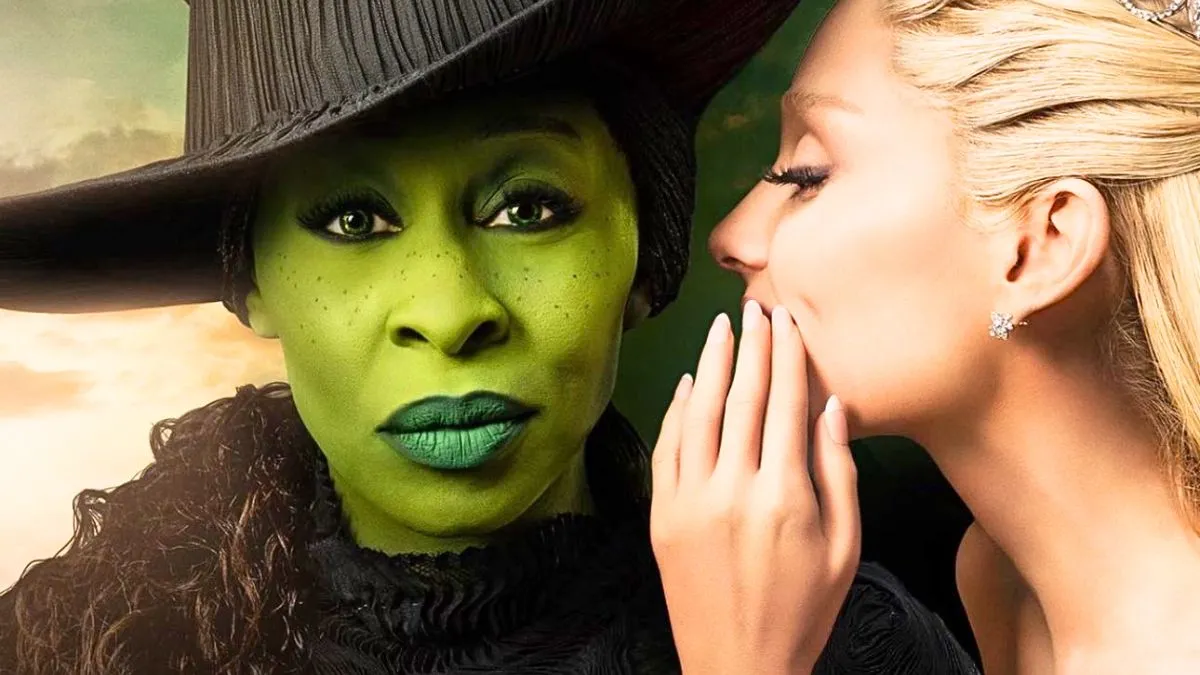
Cynthia Erivo’s reaction to the fan-made redesign of the Wicked movie poster has sparked a significant discussion among fans and critics alike. As the star playing Elphaba in the highly anticipated film adaptation of the beloved musical, Erivo emphasized the importance of authenticity in promotional materials. She expressed her discontent on Instagram, clarifying that while the original Broadway poster is an illustration, the film poster features real people and should be treated with respect.
Erivo highlighted that she is a “real-life human being” and chose to engage directly with the audience through her portrayal. She feels that altering her image diminishes her identity and presence in the project.
She firmly stated that the film’s poster is meant to be an homage to the original, not a direct imitation. This distinction is crucial for her, as she believes that fan edits can be disrespectful and reductive.
The response from Wicked fans has been mixed. Some support Erivo’s perspective, understanding the emotional weight behind her comments. Others feel she may be overreacting or inconsistent, especially since she had previously shared a Wicked meme. Some fans argue that the edits weren’t necessarily offensive and that interpretations of artwork vary.
This controversy also raises questions about the nature of adaptations and how beloved source material is represented. Wicked, being one of the most celebrated Broadway shows, carries significant cultural weight, and its transition to film is under intense scrutiny. Fans are protective of both the characters and the narratives they cherish, making them more critical of any perceived deviations or misrepresentations.
It’s worth noting that the film adaptation is expected to make several changes to the original material, including character development and musical staging. For instance, certain songs like “Dancing Through Life” will be presented differently. This indicates that fans may have to prepare for interpretations that diverge from the source material, which can further fuel discussions about fidelity to the original work.
As the film’s release date approaches (November 22 for Part One, followed by Part Two a year later), these debates about representation, artistic integrity, and fan expectations will likely continue to unfold. Erivo’s stance illustrates the delicate balance between honoring a beloved story and creating something new for a different medium, a challenge faced by many adaptations in today’s entertainment landscape.
 Last updated