Donald Trump’s relationship with the media has always been fraught, and his recent antics surrounding his absence from the CBS show 60 Minutes only amplify his penchant for victimhood while avoiding accountability. Despite his reputation for decrying “fake news,” his actions often speak volumes about his insecurities and refusal to engage in meaningful discourse.
Trump’s scheduled appearance alongside Kamala Harris quickly turned into a public relations debacle when he backed out at the last moment. While Harris participated and articulated her policies, Trump took to social media to play the victim, framing his withdrawal as a tactical decision rather than an admission of cowardice. His attempts to spin the narrative only further highlight his inconsistent behavior.
Scott Pelley’s Scathing Introduction
In a notable move, 60 Minutes host Scott Pelley began the segment with pointed remarks addressing Trump’s evasiveness. He laid out the various “shifting explanations” provided by Trump’s team for his absence, showcasing a level of transparency and accountability that Trump himself consistently avoids. Pelley’s commentary underscored the absurdity of Trump’s reasoning, including his desire to avoid fact-checking—a striking contradiction for someone who frequently accuses others of dishonesty.
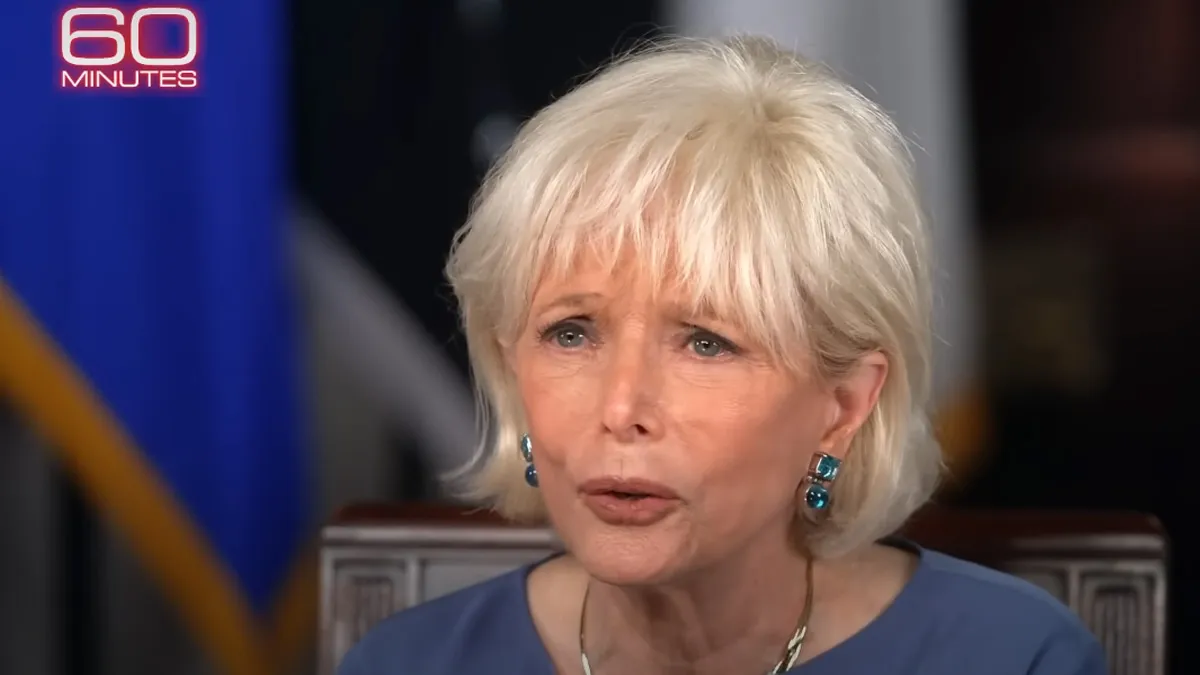
Trump’s refusal to participate is reminiscent of his notorious exit from his 2020 interview with Lesley Stahl, where he left abruptly after just 40 minutes. His quick retreat from difficult questions is well-documented and continues to haunt his public image. In contrast, Harris handled the interview gracefully, demonstrating a command of the issues that Trump is often reluctant to confront.
A Pattern of Victimhood
On his social media platform, Truth Social, Trump resorted to familiar tactics: claiming media bias and accusing his competitors of unfair practices. His rhetoric about “campaign finance fraud” feels especially ironic given his recent legal troubles. Instead of leveraging the 60 Minutes interview as an opportunity to articulate his vision for America, Trump opted for avoidance, thereby limiting his engagement with potential voters.
Trump’s behavior during this critical period illustrates a deeper issue—his inability to adapt to the demands of modern political discourse. As the election approaches, his withdrawal from public engagement could prove detrimental, robbing him of opportunities to connect with voters and convey his policies.
Ultimately, Trump’s decision to skip the interview speaks volumes about his strategy: he seems more focused on crafting a narrative of victimhood than on presenting a cohesive platform. As the November elections loom, it remains to be seen how this approach will resonate with the electorate. Voters are left with questions about his leadership and priorities—questions that he had the chance to address but instead chose to dodge.
 Last updated